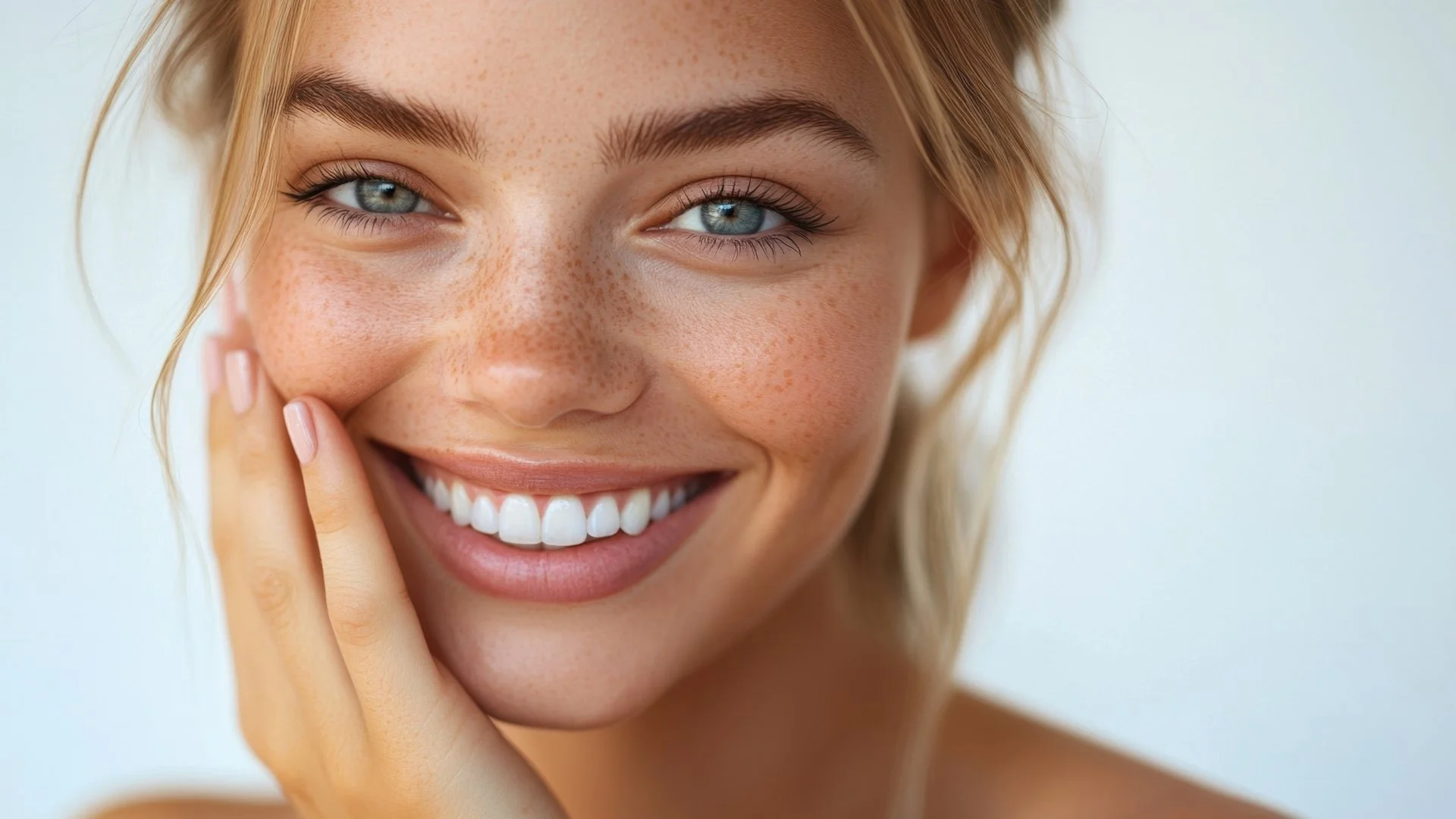
Natural-Looking Porcelain Veneers in Palo Alto
Serving the San Francisco Bay Area · Palo Alto · Menlo Park · Mountain View · Los Altos · Cupertino · Sunnyvale · San Jose · and all of Silicon Valley
Custom veneers by Dr. Nidhi Pai are designed with facial balance, tooth proportion, bite function, and long-term health in mind.
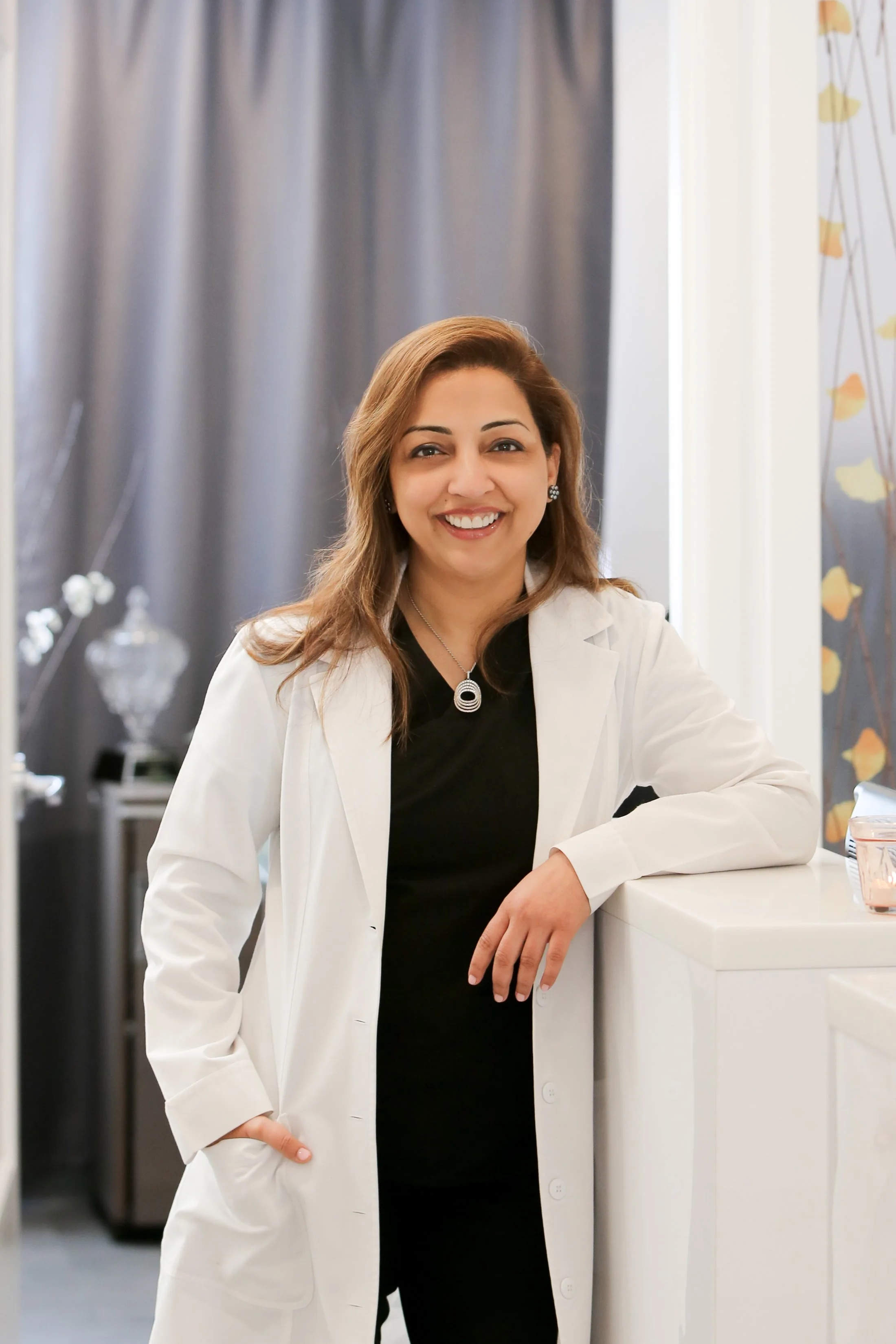
Known as “The Smile Maker,” Dr. Pai creates refined smile transformations for patients who want their smile to look elevated, natural, and completely their own.
What are Porcelain Veneers?
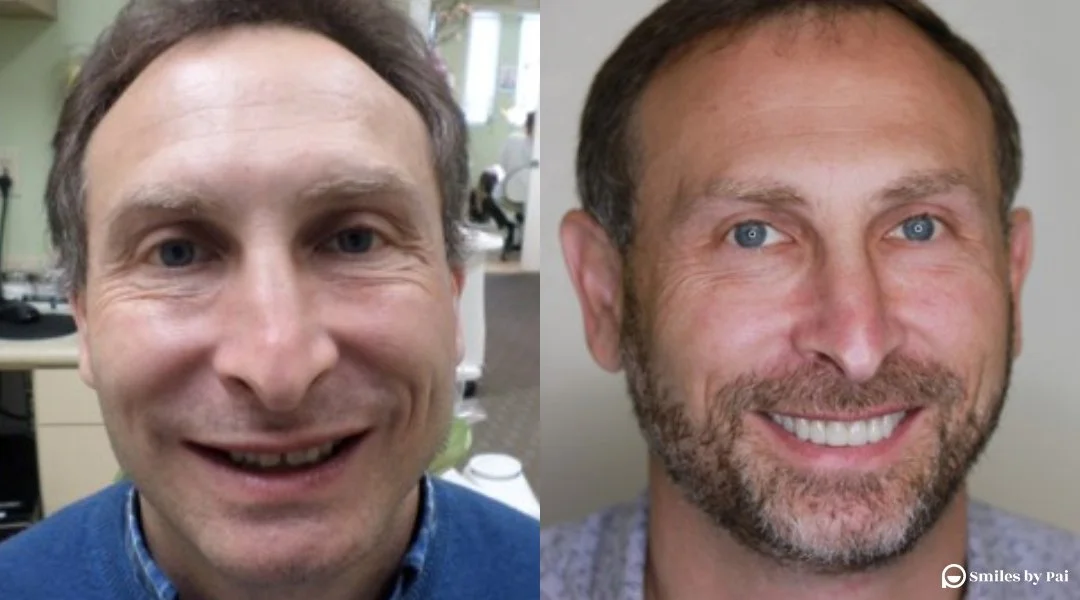
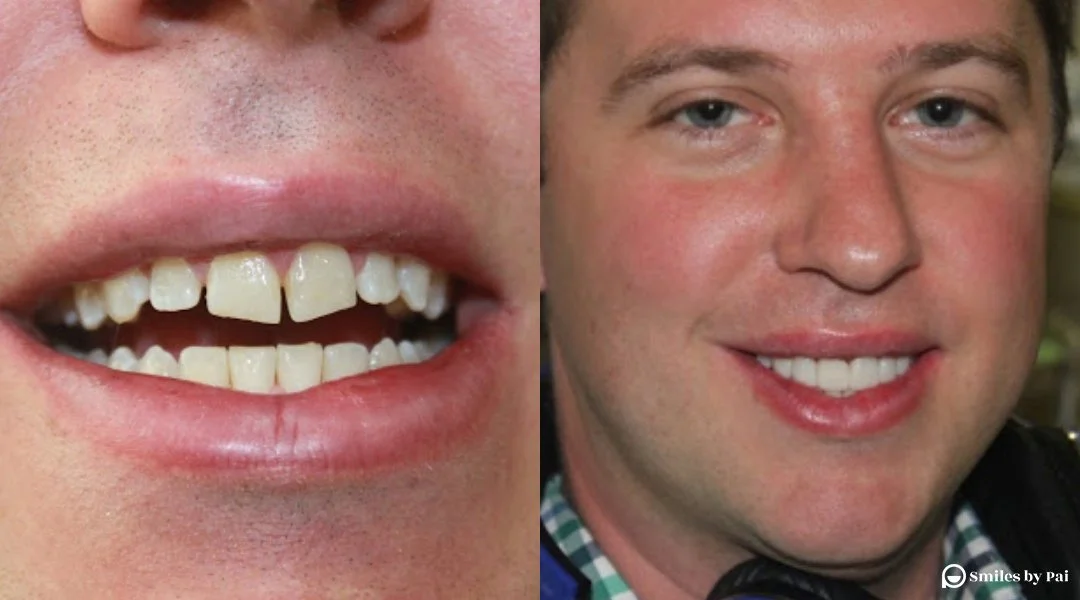
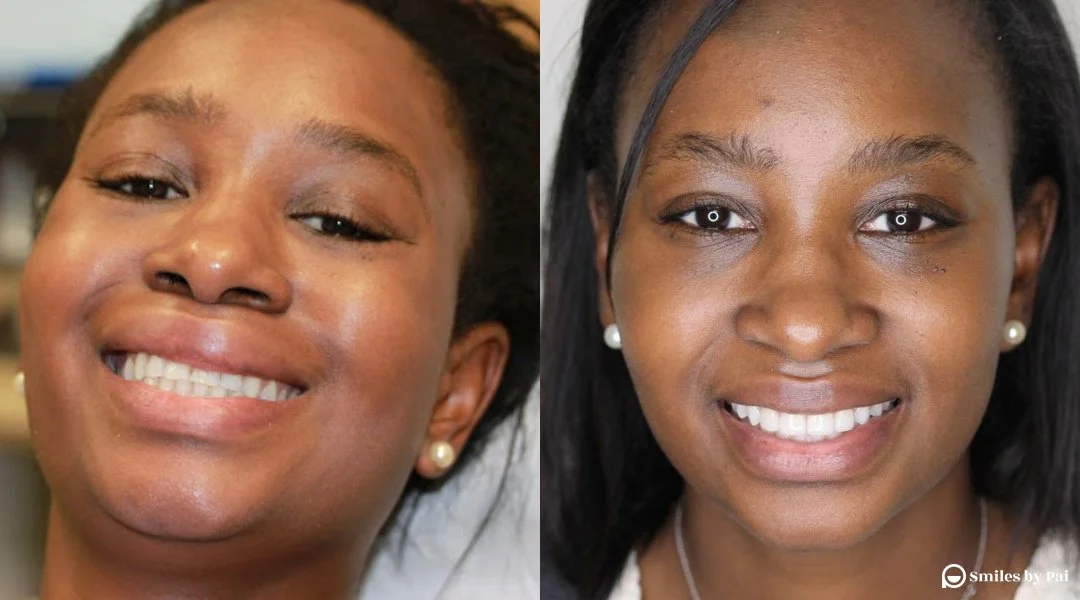
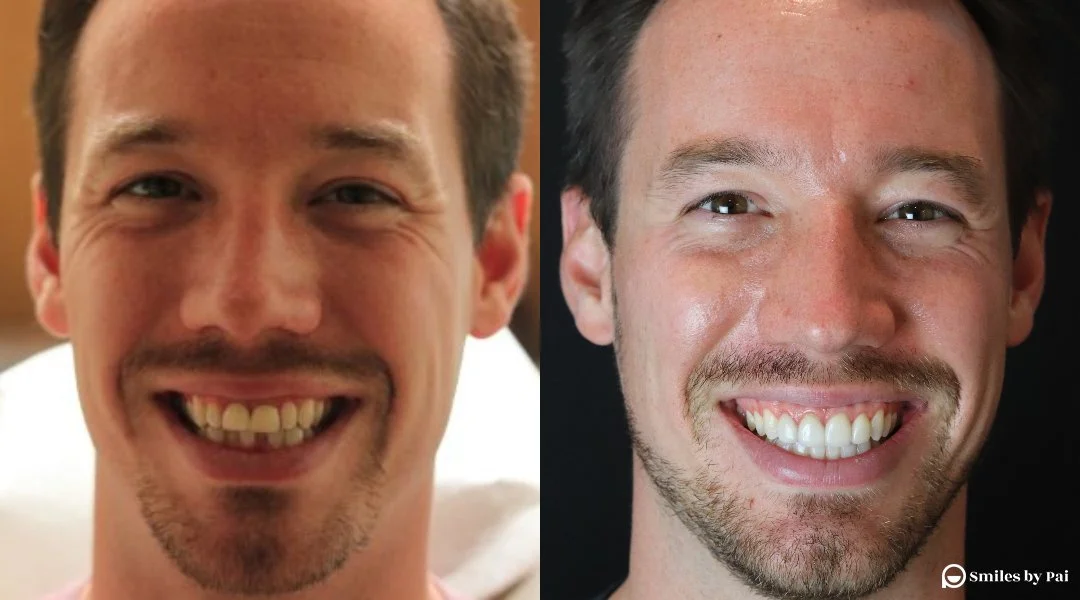
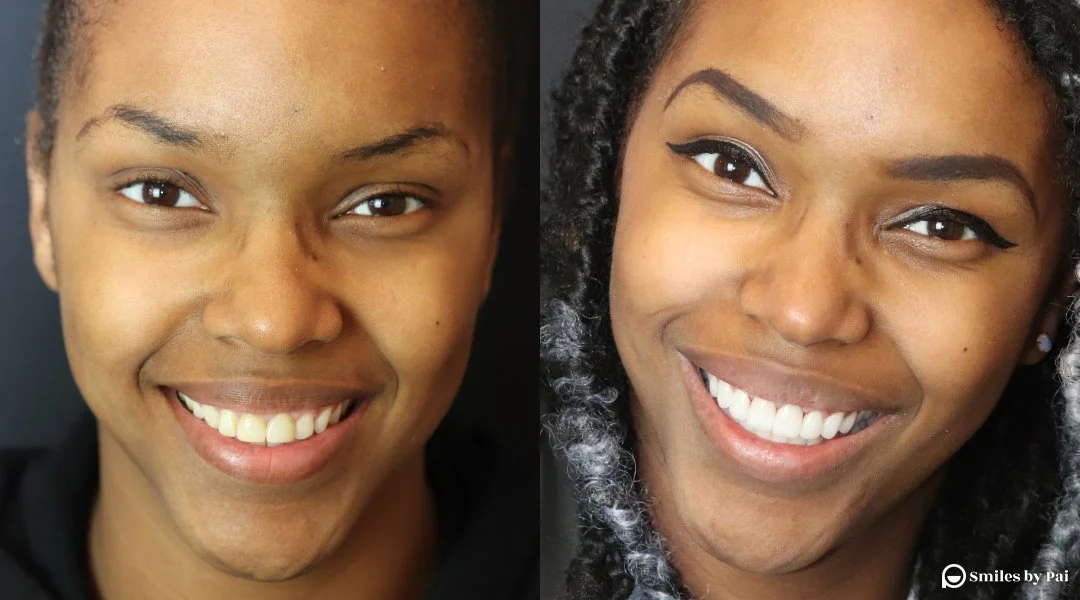
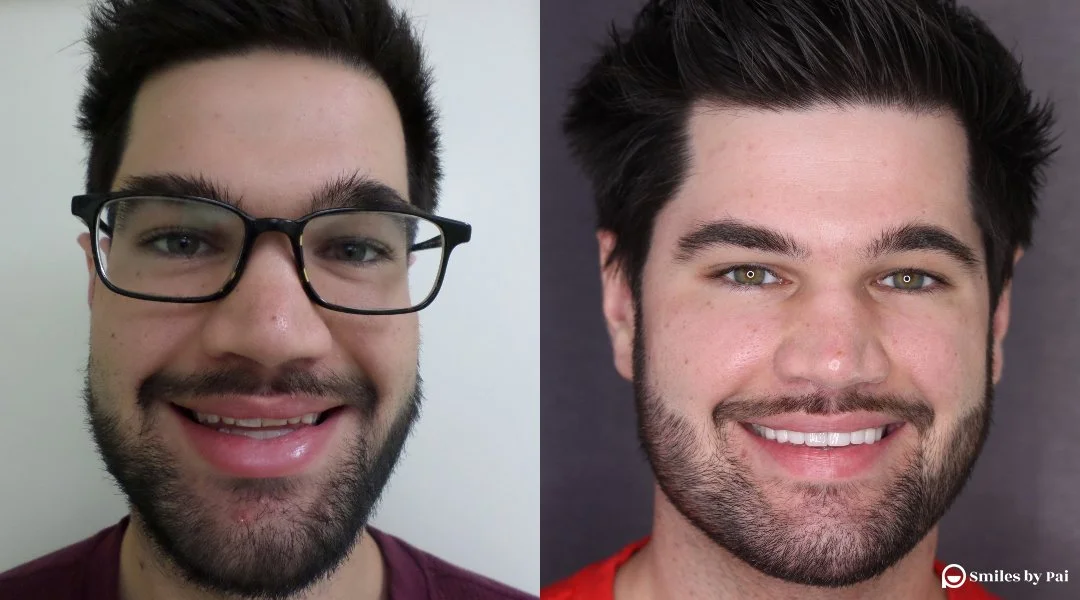
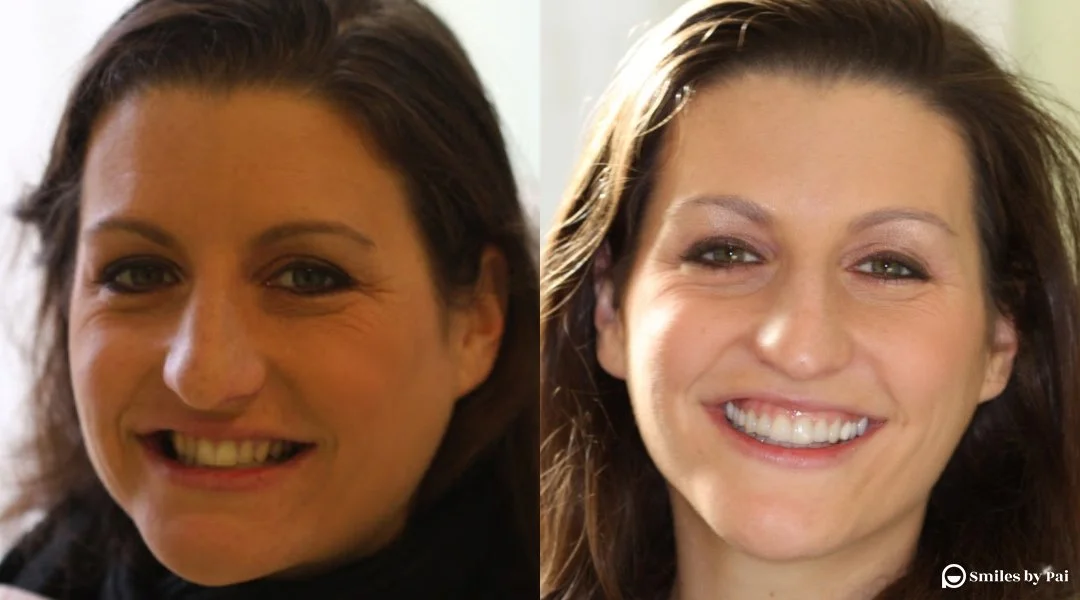
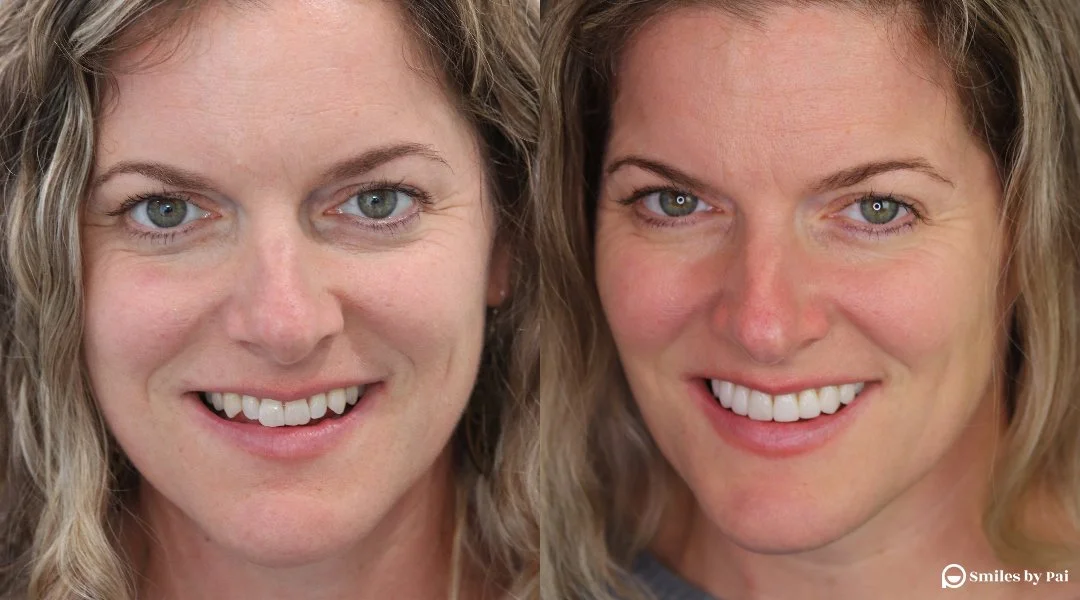
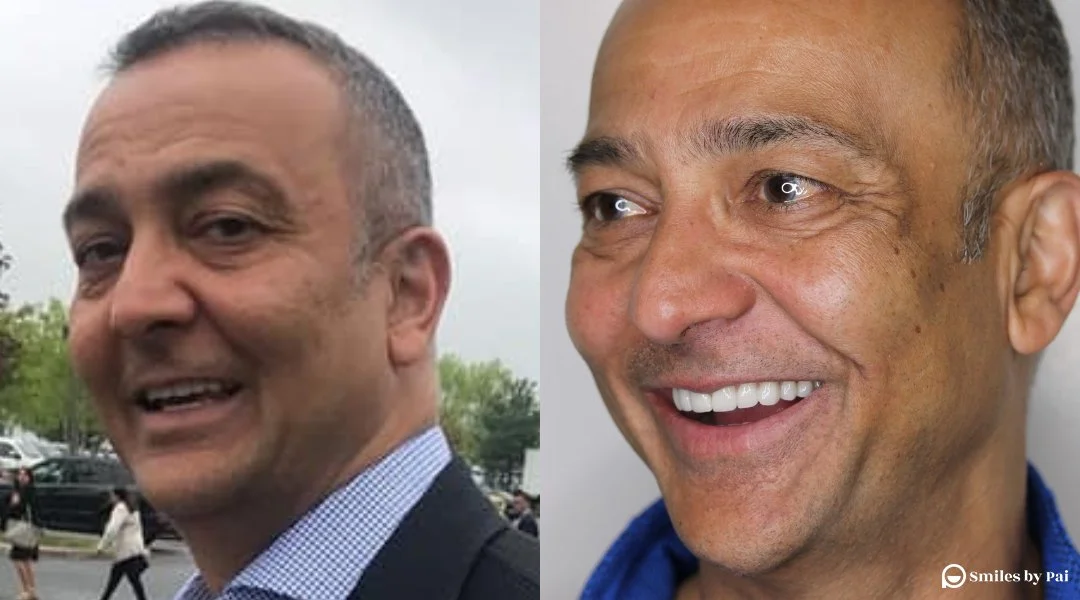
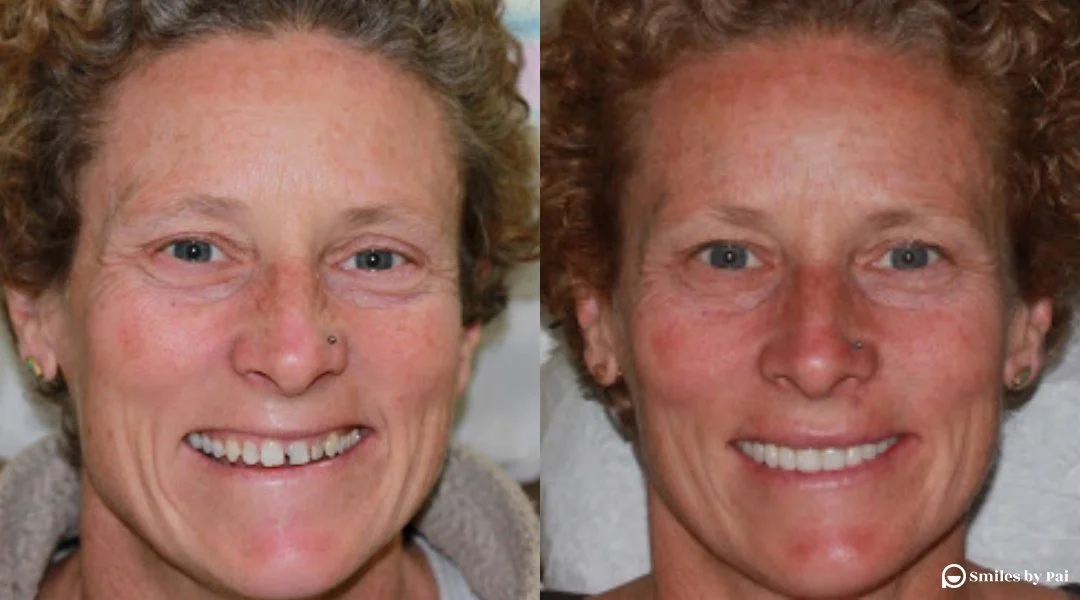
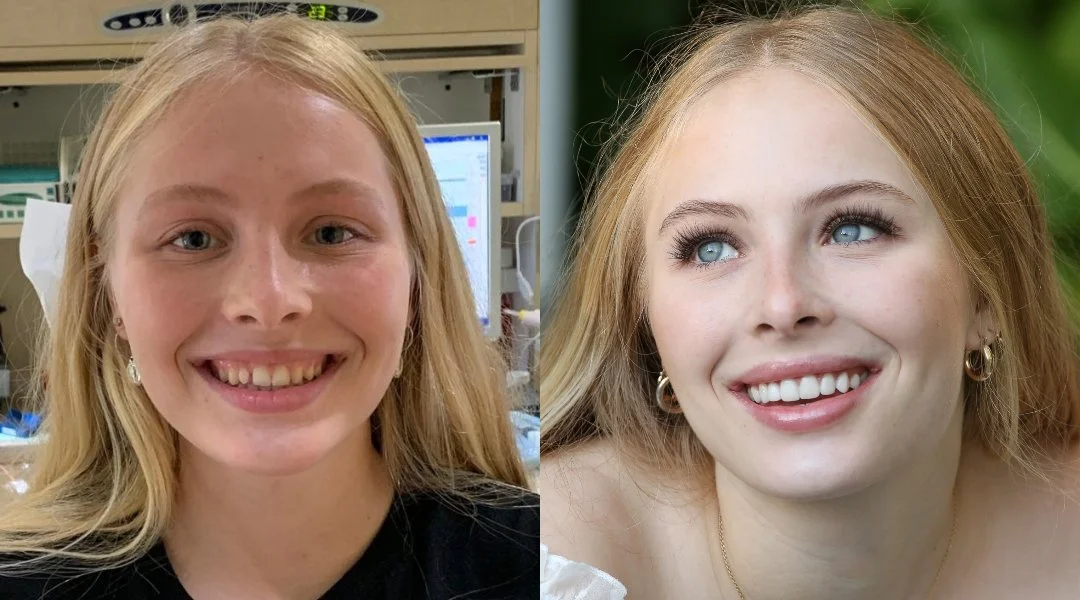
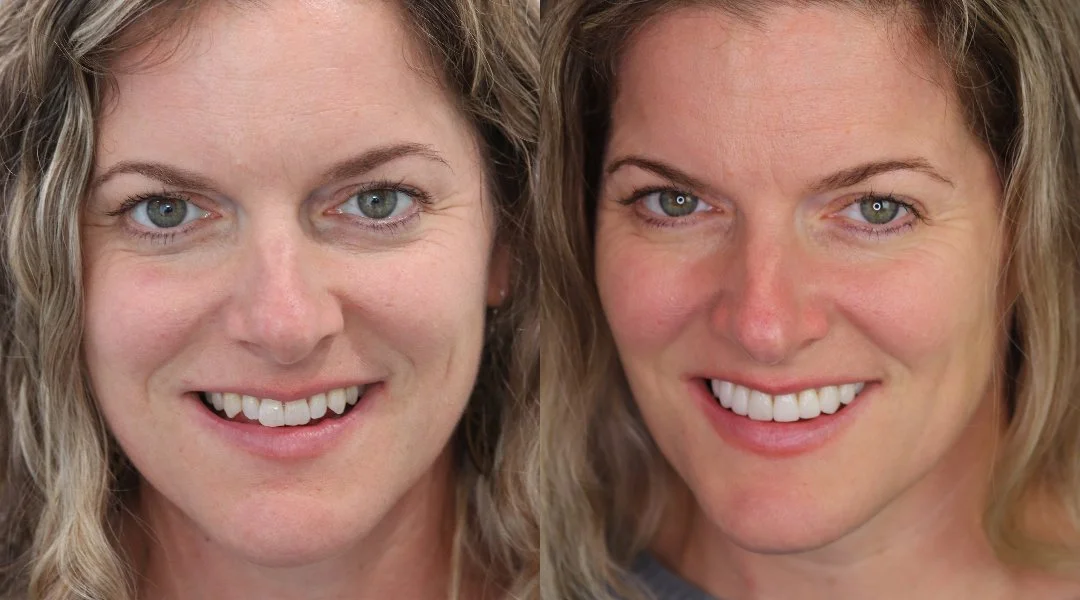
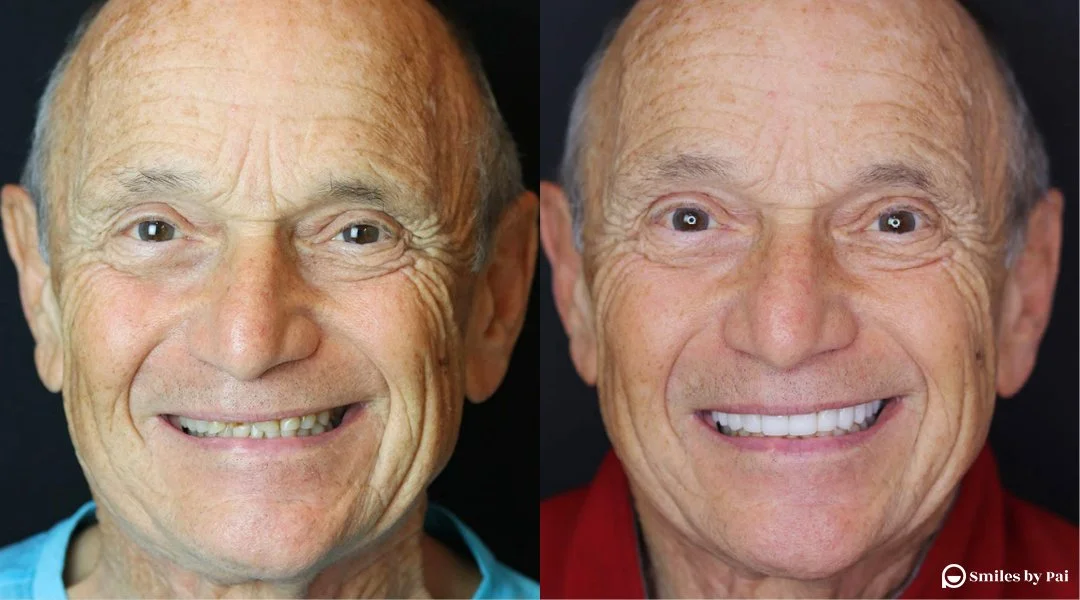
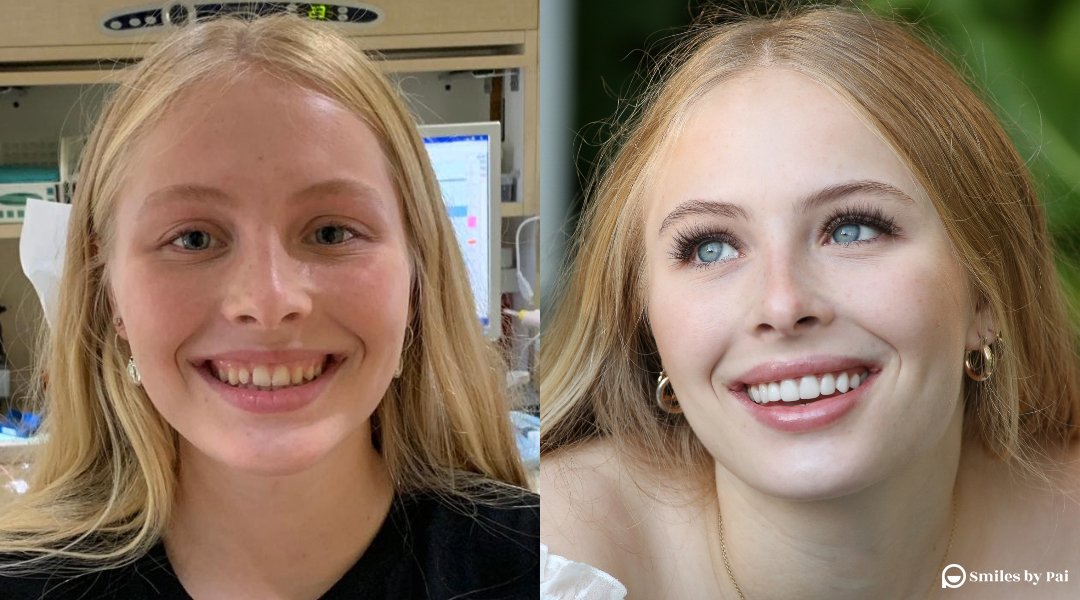
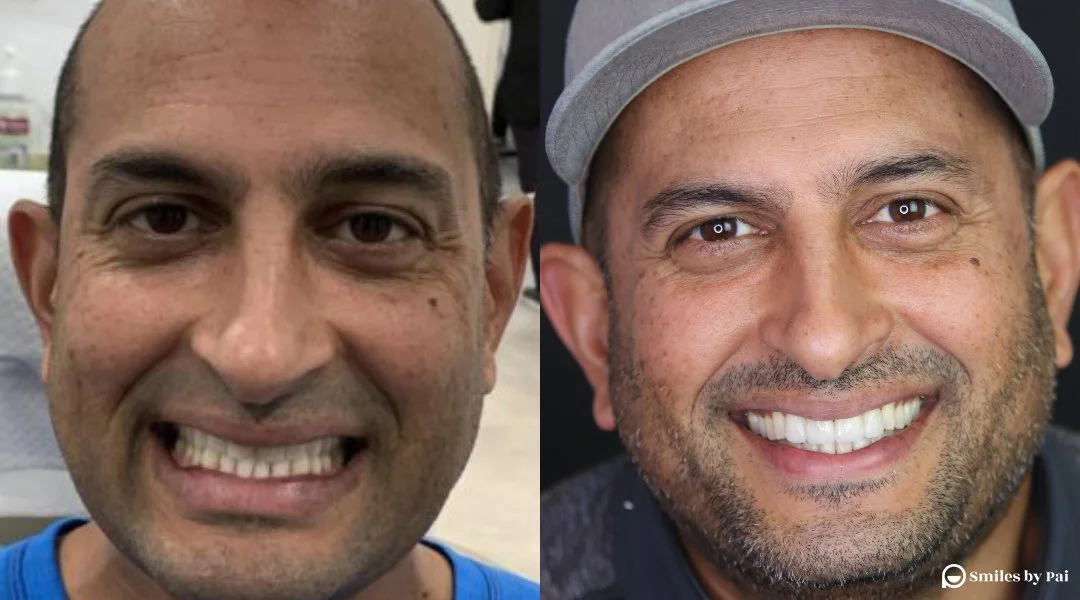
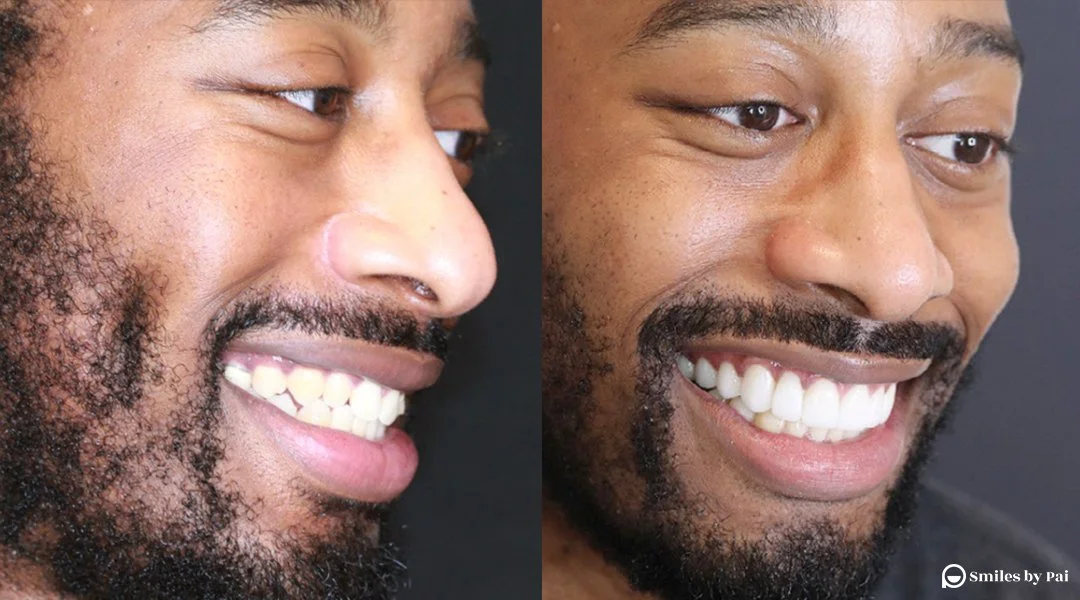
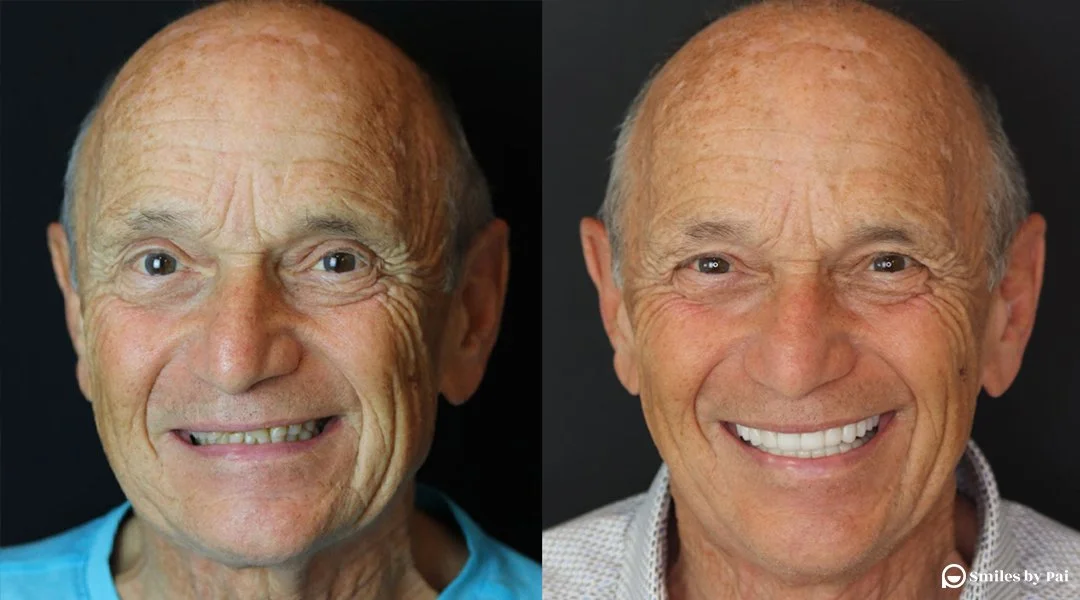
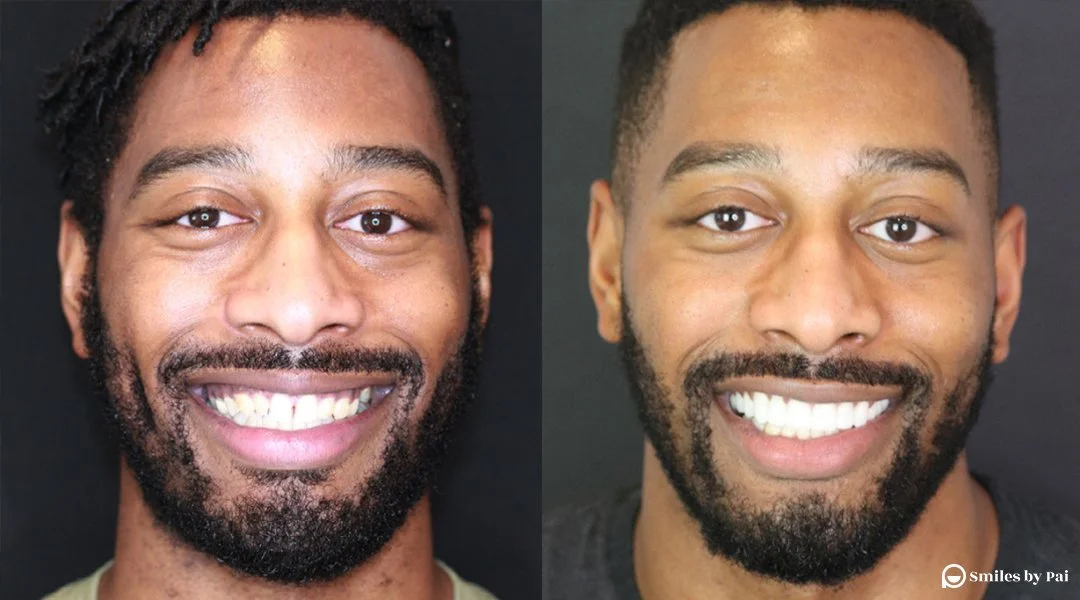
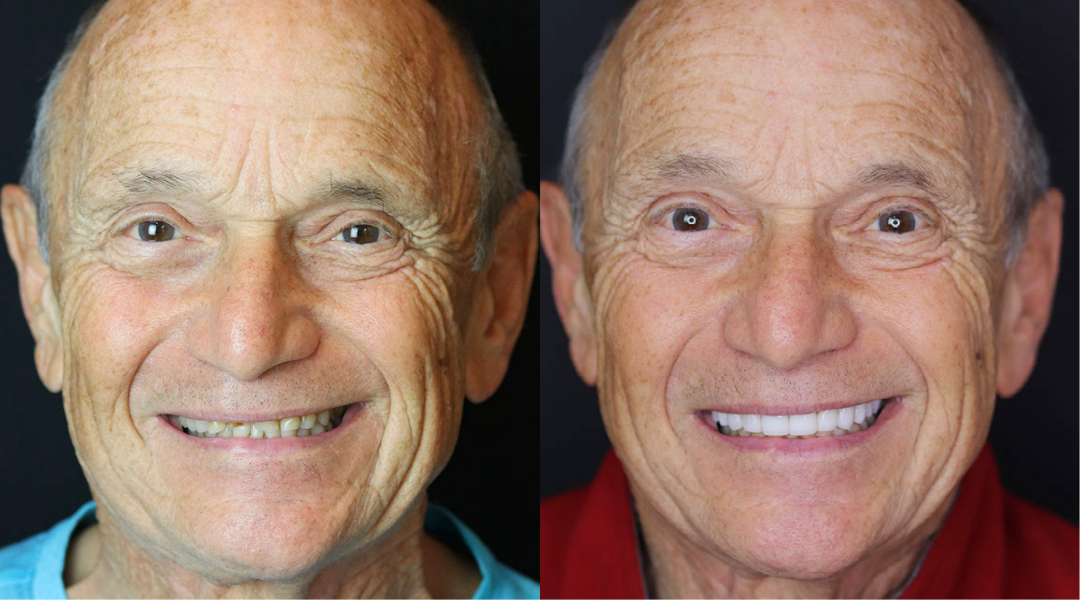
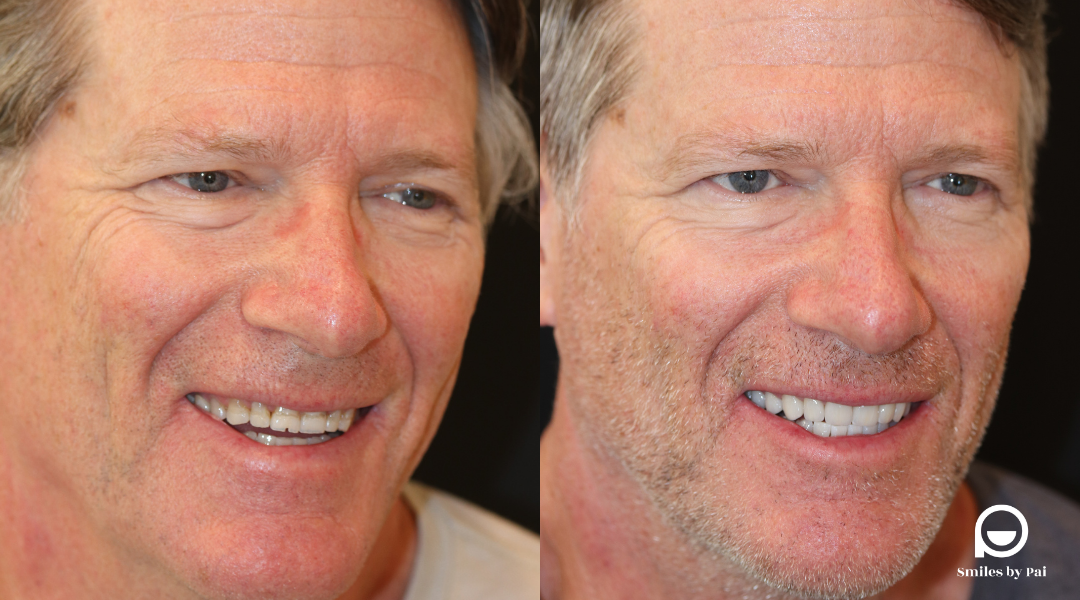
Porcelain veneers are ultra-thin, custom ceramic restorations designed to cover the front surface of the teeth. They can refine the color, shape, size, length, and overall balance of a smile, often creating a dramatic transformation with a very natural-looking result.
The best veneers do not look like veneers. They look like healthy, beautiful teeth that belong to your face.
That level of result comes from planning. Dr. Pai approaches every veneer case with the eye of an artist and the discipline of a clinician, studying your facial features, lip line, bite, gum health, skin tone, and natural tooth characteristics before treatment begins. Every decision is intentional, from the shape and translucency of the porcelain to the way the final smile supports your lips and moves when you speak.
The goal is never to give you someone else’s smile. It is to create the most refined, confident version of your own.
Porcelain veneers can improve:
Stains or discoloration that do not respond well to whitening
Chips, cracks, or worn edges
Small gaps or spaces between teeth
Mild crowding or cosmetic misalignment
Uneven, short, narrow, or asymmetrical teeth
Teeth that have aged, flattened, or lost brightness over time
Enamel erosion or surface damage
With proper planning, high-quality materials, and good home care, porcelain veneers can last 15 to 20 years or longer. Dr. Pai designs every case with longevity in mind, so your smile is not only beautiful on day one, but also stable, healthy, and maintainable over time.
The Veneer Design Experience
-
![]()
1. Personalized Consultation
We begin with a thorough smile analysis and one-on-one discussion about your goals. Dr. Pai tailors every treatment to your face shape, smile line, and desired outcome.
-
![]()
2. Smile Planning
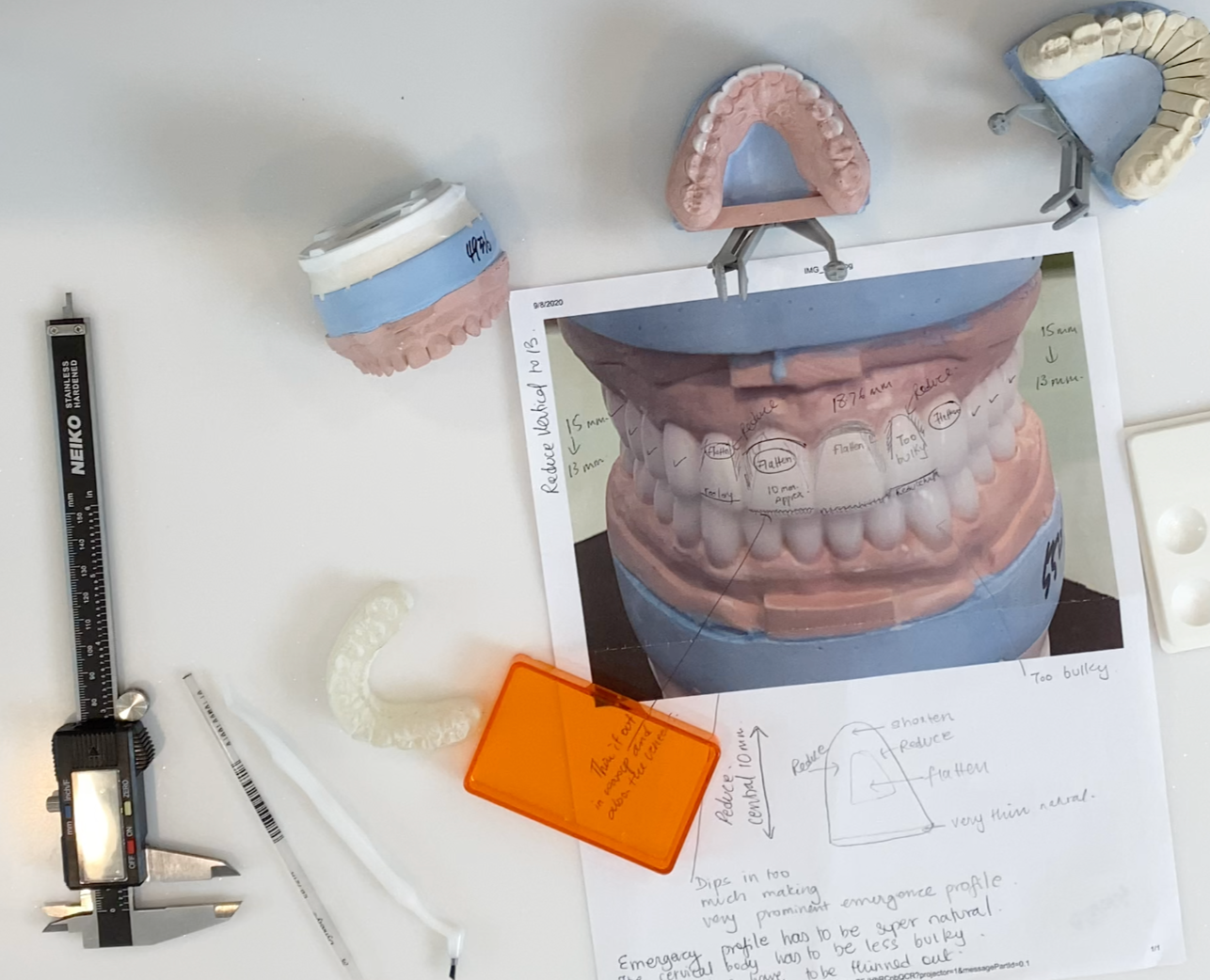
This is where art meets technology. We take detailed facial photos and use digital scans to create a 3D model of your smile. Then, we design your veneers with a personalized, holistic approach—complete with a custom preview and temporary veneers so you can see your transformation before it begins.
-
![]()
3. Final Placement
In just two visits, your porcelain veneers are bonded securely and comfortably. The process is simple, comfortable, and essentially non-invasive—with stunning, long-lasting results.
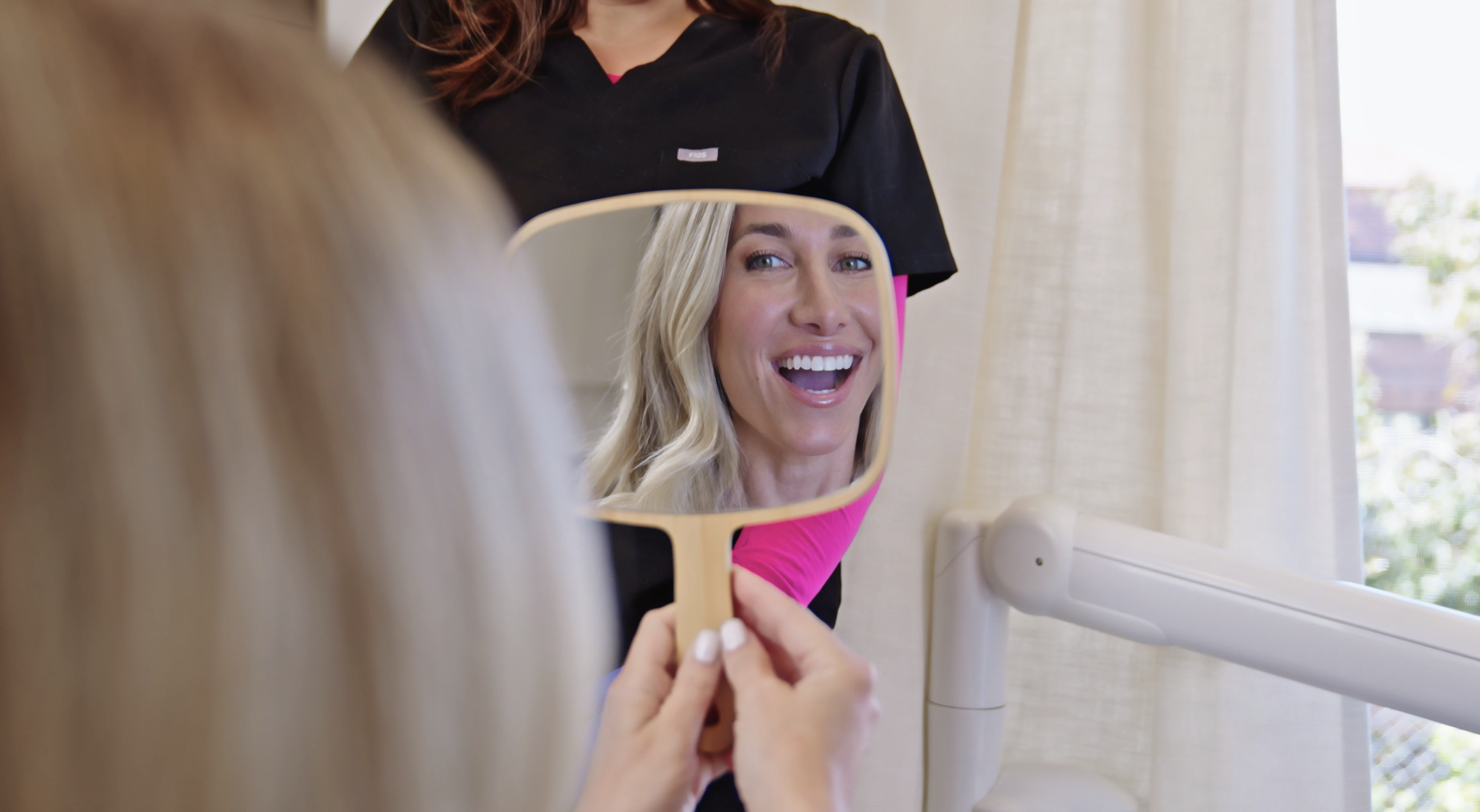
Types of Veneers
Dr. Pai offers three types of porcelain veneers, each suited to different cosmetic needs and starting points. Her philosophy across all three is the same: achieve the most beautiful result possible while removing as little of the natural tooth as possible. She will always recommend the most conservative approach that meets your goals.
-
No-prep veneers are placed directly onto the natural tooth surface without any drilling, shaving, or enamel removal. They are the most conservative veneer option available — and in the right case, they deliver results that are indistinguishable from minimal-prep porcelain.
Dr. Pai is one of the most experienced no-prep veneer providers in the Bay Area, having refined this technique over more than two decades of practice. Not every patient is a candidate — teeth must meet certain size and position criteria — but for those who qualify, it is dentistry at its most elegant: transformative, reversible, and completely non-invasive.
Ideal for: Patients with naturally smaller teeth wanting a fuller, brighter smile. Those with mild discoloration, minor spacing, or slight surface imperfections. Patients who want a beautiful result without any permanent alteration to their teeth.
-
Minimal-prep veneers involve the removal of a very small amount of enamel — typically 0.3 to 0.5 millimeters — to create the ideal surface for bonding. This slight adjustment allows for a more precise, seamless fit and broader cosmetic correction than no-prep veneers can achieve.
This is the most commonly recommended option at Smiles by Pai. The preparation is carefully controlled to preserve as much of the natural tooth structure as possible while delivering a flawless, durable result that can address more significant concerns.
Ideal for: Moderate discoloration, minor misalignment, uneven edges, worn enamel, or patients whose tooth size and shape require a more precise fit. The majority of cosmetic veneer cases.
-
Traditional veneers involve slightly more enamel preparation — typically 0.5 to 0.7 millimeters — and are the most appropriate choice for cases involving significant discoloration, complex corrections, or teeth that require more substantial reshaping to achieve the desired aesthetic outcome.
Even in traditional cases, Dr. Pai's approach is as conservative as clinically possible. She works with one of the country's top dental ceramists to ensure that every veneer, regardless of type, meets the highest standard of craftsmanship and longevity.
Ideal for: Severe staining (including tetracycline discoloration), significant chips or damage, more complex smile corrections, or full-mouth reconstruction cases.
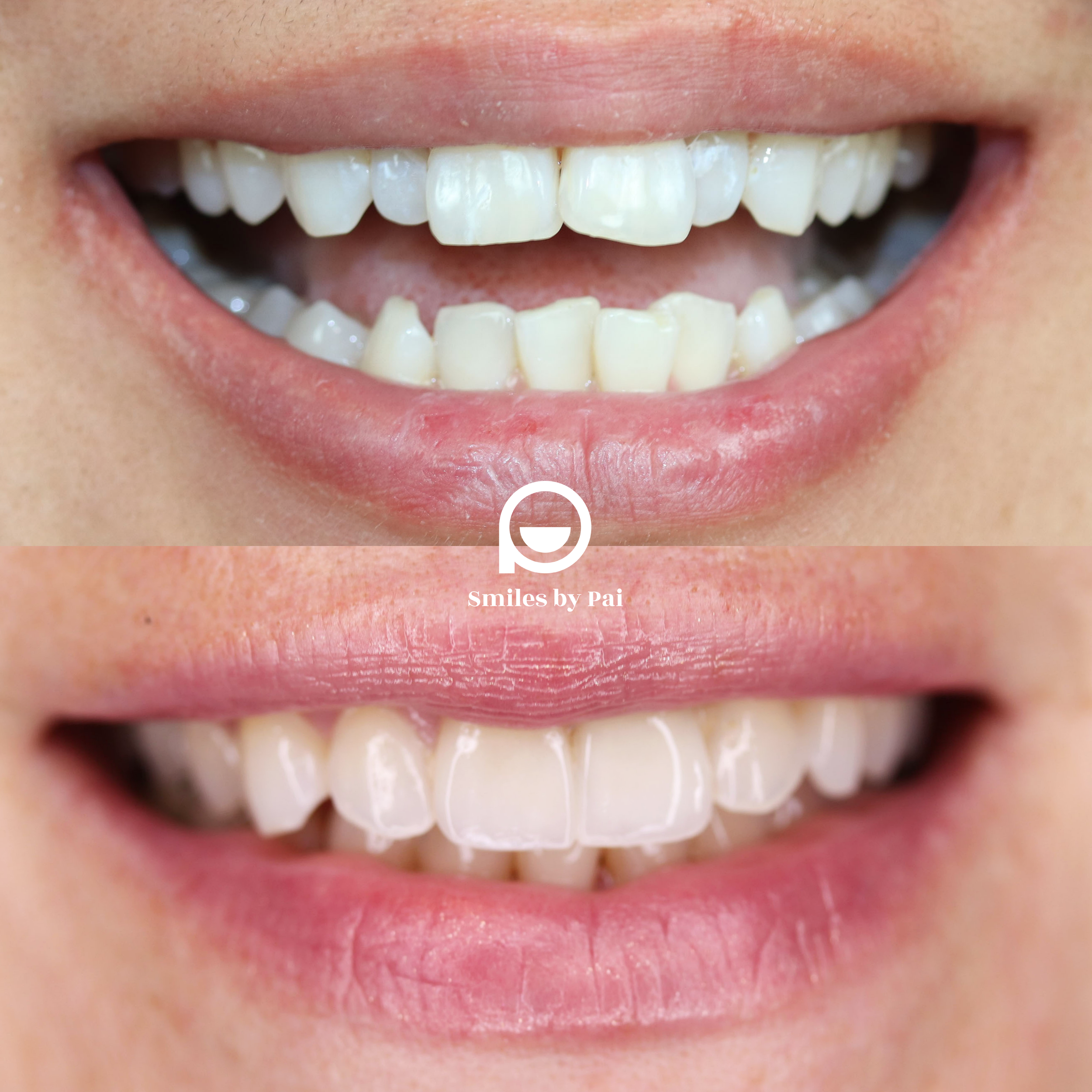
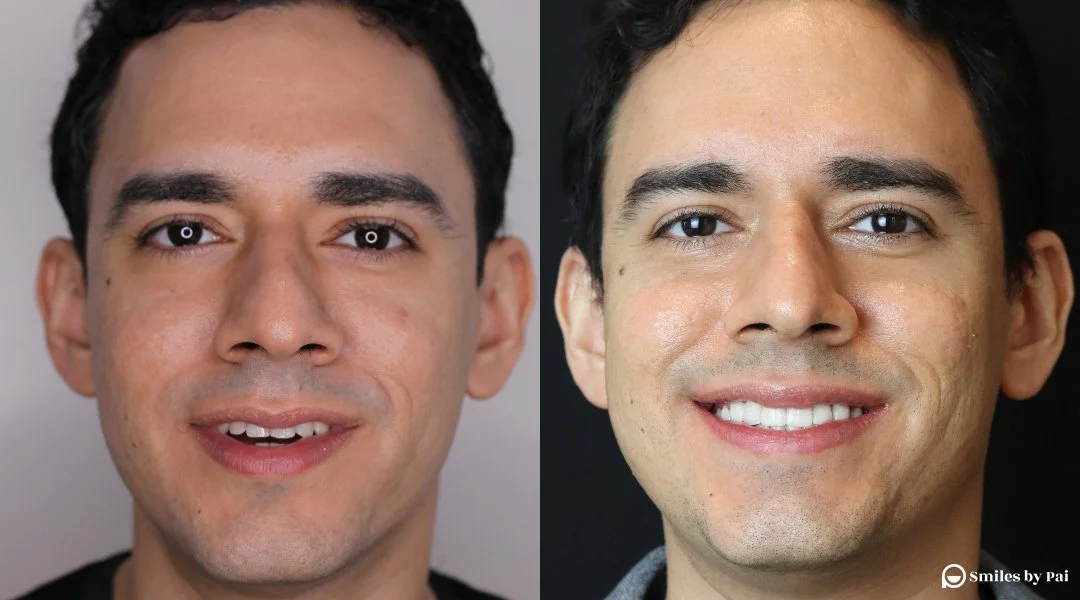
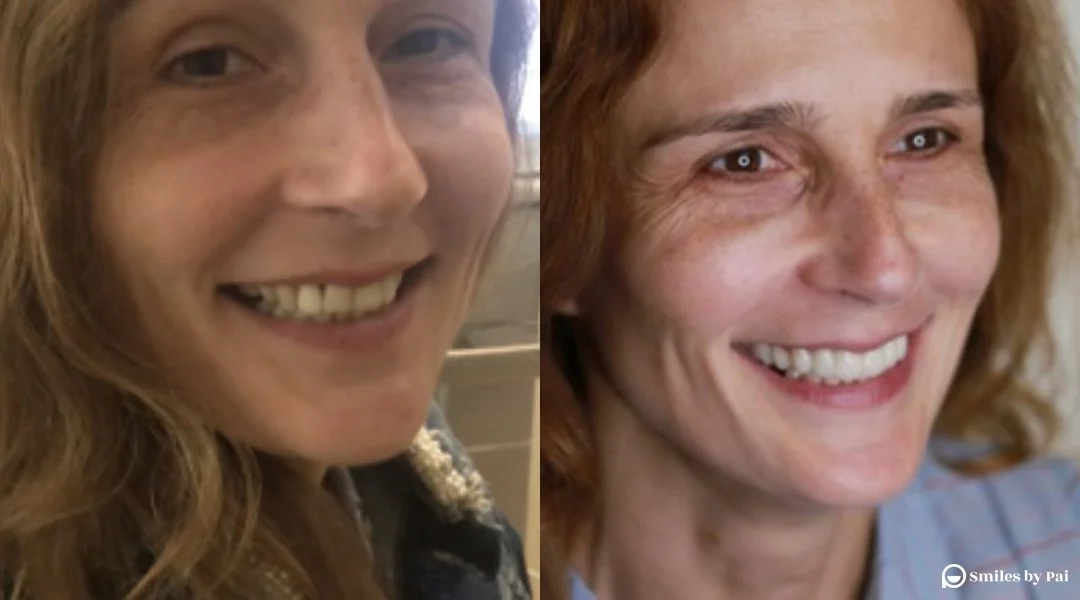
Why Choose Dr. Nidhi Pai for Veneers
Choosing a veneer dentist is one of the most important decisions you will make for your smile and your long-term oral health. Dr. Pai brings a level of experience, artistry, and clinical depth to veneer work that is exceptionally rare in the Bay Area.
25 Years. Thousands of Smiles. The Same Attention to Every One.
Dr. Pai has been placing porcelain veneers for patients in Palo Alto and across the Bay Area since the late 1990s. She has treated patients from their 20s to their 80s, from executives and performers to parents and teachers, each one deserving the same meticulous standard of care. That depth of experience shows in every case she takes on.
An Artist's Eye, a Clinician's Discipline
Dr. Pai dreamed of becoming an architect before dentistry found her — and that instinct for form, proportion, and structure never left. She studies faces the way a portrait artist does: the way your lips move when you smile, how your teeth relate to your gum line, how the color and translucency of a veneer will catch light in different settings. The result is work that looks natural precisely because it was designed to.
A Holistic Approach
Most dentists practice what Dr. Pai calls "single-tooth dentistry" — treating what is in front of them without asking why. Dr. Pai thinks differently. Before any cosmetic work is planned, she evaluates the bite, the jaw structure, the airway, and the long-term trajectory of a patient's oral health. Veneers placed on a structurally unsound foundation will not last. Veneers designed as part of a comprehensive plan can last a lifetime. This is the difference her approach makes.
A Master Ceramist Partnership
The porcelain itself matters enormously — but the ceramist who sculpts it matters even more. Dr. Pai partners exclusively with one of the country's most respected dental ceramists, a collaboration built over years of work on the most demanding cosmetic cases. Every veneer is hand-crafted to precise specifications in premium-grade porcelain chosen for its exceptional light-handling properties and longevity.
Technology That Eliminates Guesswork
Dr. Pai's practice is built on the belief that patients deserve to see their results before they commit to them. Digital smile design, 3D intraoral scanning, and custom temporary veneers ensure that every case is previewed, refined, and approved before any permanent work begins. The technology is a tool for confidence — yours and hers.
Frequently Asked Questions About Veneers
-
With proper care, porcelain veneers typically last 15 to 20 years or longer. The longevity depends on several factors: the quality of the porcelain and the ceramist, the precision of the bonding process, your bite, and how well you maintain them at home. Dr. Pai's veneers are fabricated to the highest standard available, and she works closely with patients on a long-term maintenance plan to protect that investment. Patients who floss daily, brush with non-abrasive toothpaste, wear a night guard when recommended, and attend regular check-ups consistently see results at the upper end of the lifespan range.
-
It depends on the type. No-prep veneers do not require any alteration to the natural tooth and are technically reversible. The veneer can be removed without having changed the underlying enamel.
Minimal-prep and traditional veneers involve the removal of a small amount of enamel and are considered a permanent treatment, as the enamel cannot be restored.
Dr. Pai will discuss the permanence of your recommended approach at your consultation and always recommends the most conservative option that meets your cosmetic goals.
-
Yes, when designed by an experienced cosmetic dentist and crafted by a skilled ceramist, modern porcelain veneers are virtually indistinguishable from natural teeth. The ceramic material used by Dr. Pai refracts light in the same way as natural enamel, creating depth, warmth, and translucency that plastic or lower-grade porcelain cannot replicate. Patients often say the most common reaction they get is people telling them their teeth look great without anyone guessing they have veneers.
-
Most full smile makeovers involve 6 to 10 veneers covering the teeth visible in your natural smile. Some patients want only one or two veneers to address a specific concern, while others opt for a full upper and lower set. Dr. Pai designs every case to look completely seamless, whether you are getting two veneers or twelve. The number is determined by your goals and the current state of your smile, not by a standard formula.
-
Porcelain veneers in the Bay Area typically range from $2,000 to $3,000+ per tooth, depending on the type, the complexity of the case, and the number of veneers placed. At Smiles by Pai, every consultation includes a clear, itemized treatment plan with transparent pricing. There are no surprise costs. Payment plans and financing options are available. Please ask at your consultation.
-
The veneer itself does not change — porcelain is non-porous and highly stain-resistant, which is one of its biggest advantages over natural enamel or composite materials. However, your natural teeth can still stain over time, so if you have unveneered teeth visible when you smile, those may gradually shift in color. Dr. Pai often recommends professional whitening of the natural teeth before veneer fabrication to establish an ideal baseline shade ensuring a seamless, long-lasting match.
-
Yes, in many cases, but grinding needs to be managed to protect the investment. Dr. Pai evaluates every patient's bite and jaw function before recommending veneers. For patients who grind, a custom night guard is included in the treatment plan, and in some cases, Invisalign or bite correction may be recommended as a first step to create a stable foundation. Veneers placed on an uncorrected grinding problem will have a shorter lifespan. Dr. Pai thinks in decades, not appointments, and her recommendations reflect that.
-
Dental bonding uses composite resin applied directly to the tooth to correct minor imperfections. It is faster and more affordable, but less durable and more prone to staining than porcelain. Veneers are custom-fabricated from high-grade porcelain and bonded in a separate appointment — they offer superior aesthetics, longevity, and stain resistance. For minor chips or small corrections, bonding may be the right starting point. For a comprehensive smile transformation or corrections involving color, shape, and multiple teeth, veneers are almost always the better long-term investment. Dr. Pai will recommend the right approach at your consultation.
Ready for your new smile?
Schedule a consultation with Dr. Pai and take the first step toward the smile you deserve.