Dental Implants in the Bay Area, CA
Serving the San Francisco Bay Area · Palo Alto · Menlo Park · Mountain View · Los Altos · Cupertino · Sunnyvale · San Jose · and all of Silicon Valley
A missing tooth affects far more than your smile. It changes how you eat, how you speak, how you feel about yourself, and over time, how your face ages. Dental implants are the gold standard for permanent tooth replacement. At Smiles by Pai, they are designed with the same cosmetic artistry and attention to facial harmony that defines every procedure Dr. Nidhi Pai performs. It is a seamless, natural-looking restoration that completes your smile for life.
What are dental implants?
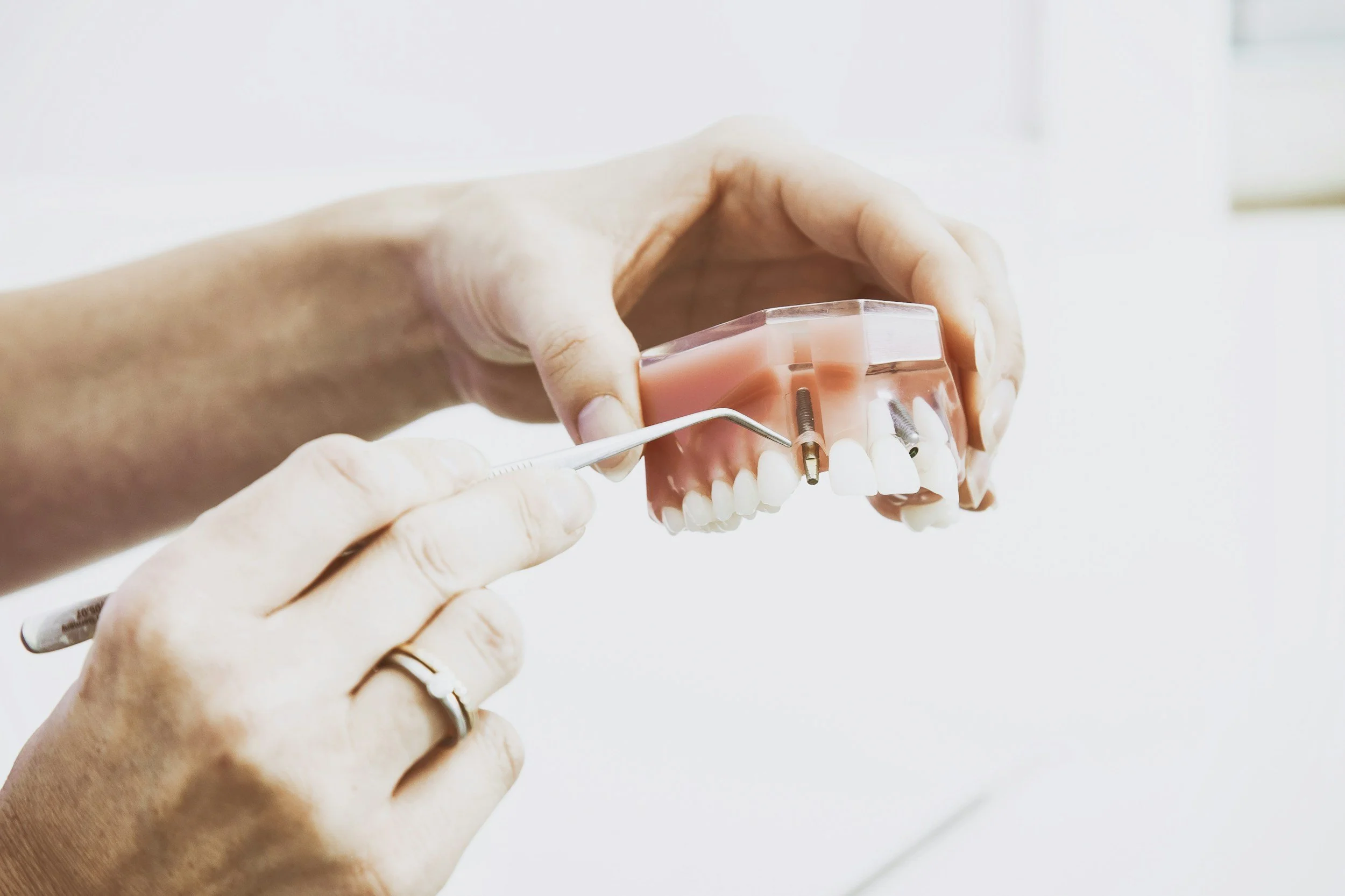
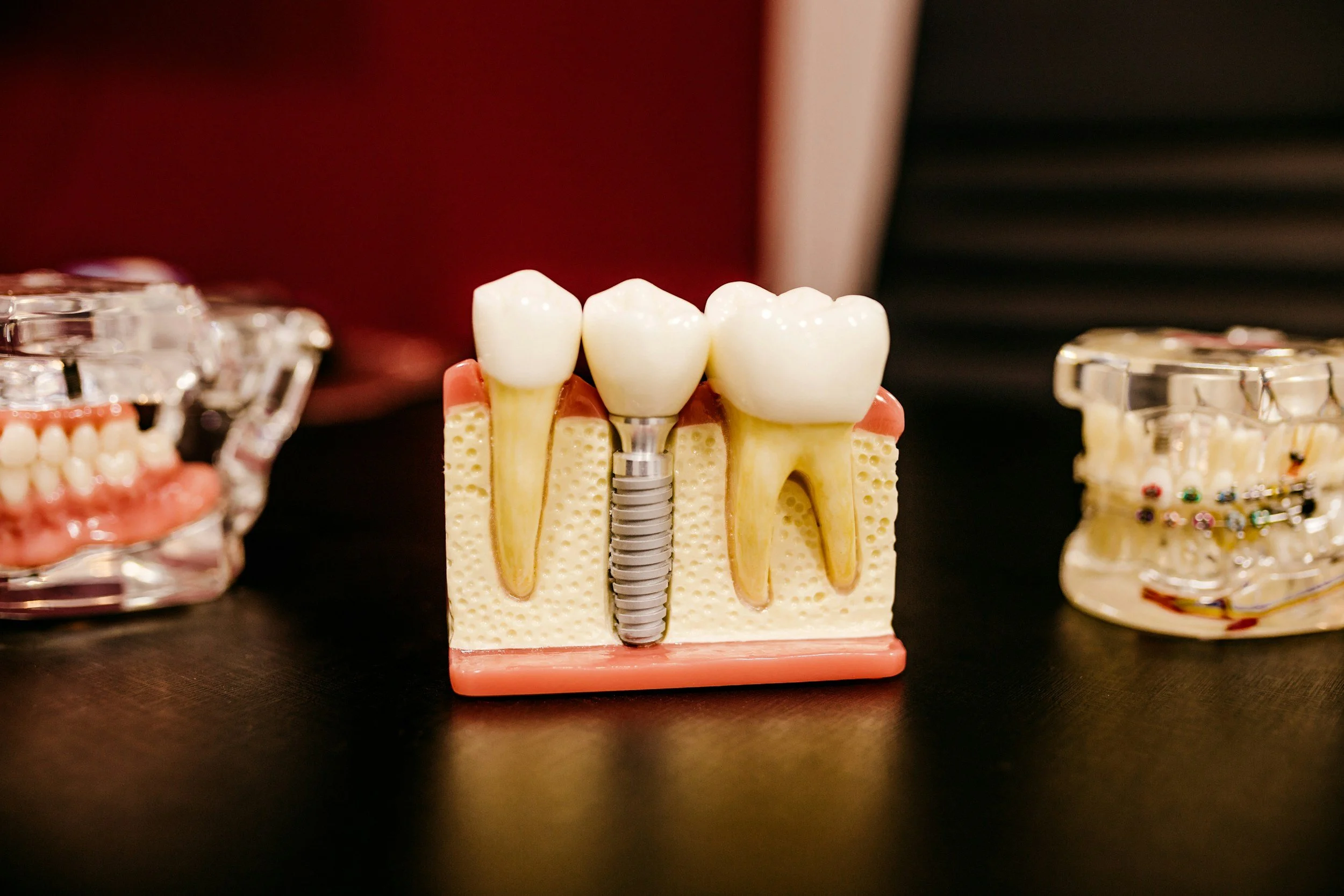
A dental implant is a small titanium post surgically placed in the jawbone to serve as an artificial tooth root. Titanium is used because of its exceptional biocompatibility. Over time, it fuses with the surrounding bone in a process called osseointegration, becoming a permanent and stable part of your jaw structure.
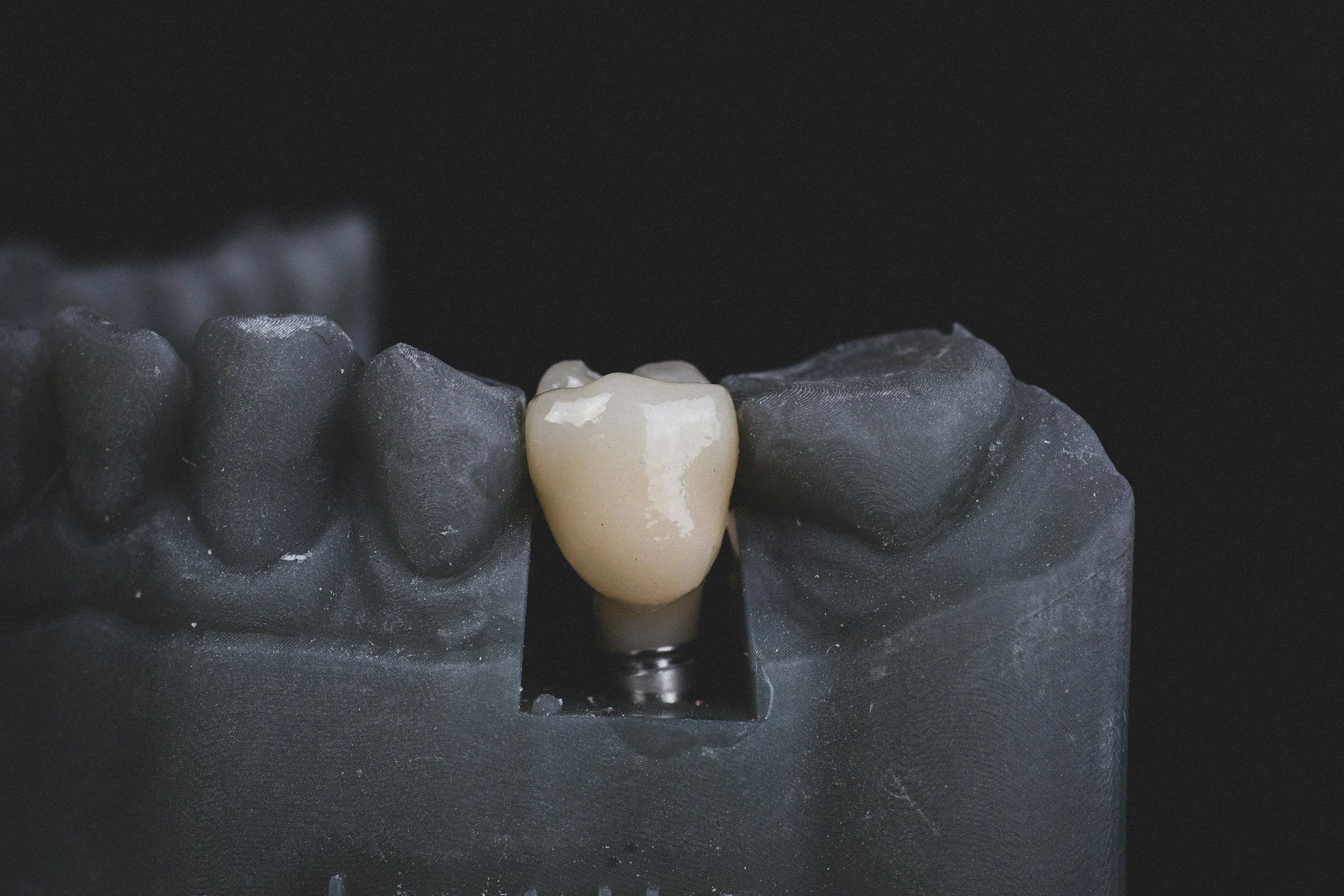
Once the implant has fully integrated, a custom-crafted porcelain crown is attached via a small connector called an abutment. The crown is designed to match your surrounding teeth in color, shape, and translucency. When placed by an experienced cosmetic dentist, the result is a restoration that is completely indistinguishable from a natural tooth.
A complete dental implant consists of three components:
The implant post: a titanium root anchored securely in the jawbone
The abutment: a small connector that links the post to the crown
The crown: a custom-crafted porcelain restoration that looks and functions like a natural tooth
Together, these three components create a complete tooth replacement that looks natural, feels stable, functions like a real tooth, and, with proper care, lasts a lifetime.
Your Dental Implant Journey at Smiles by Pai
-

1. Consultation, Imaging, and Treatment Planning
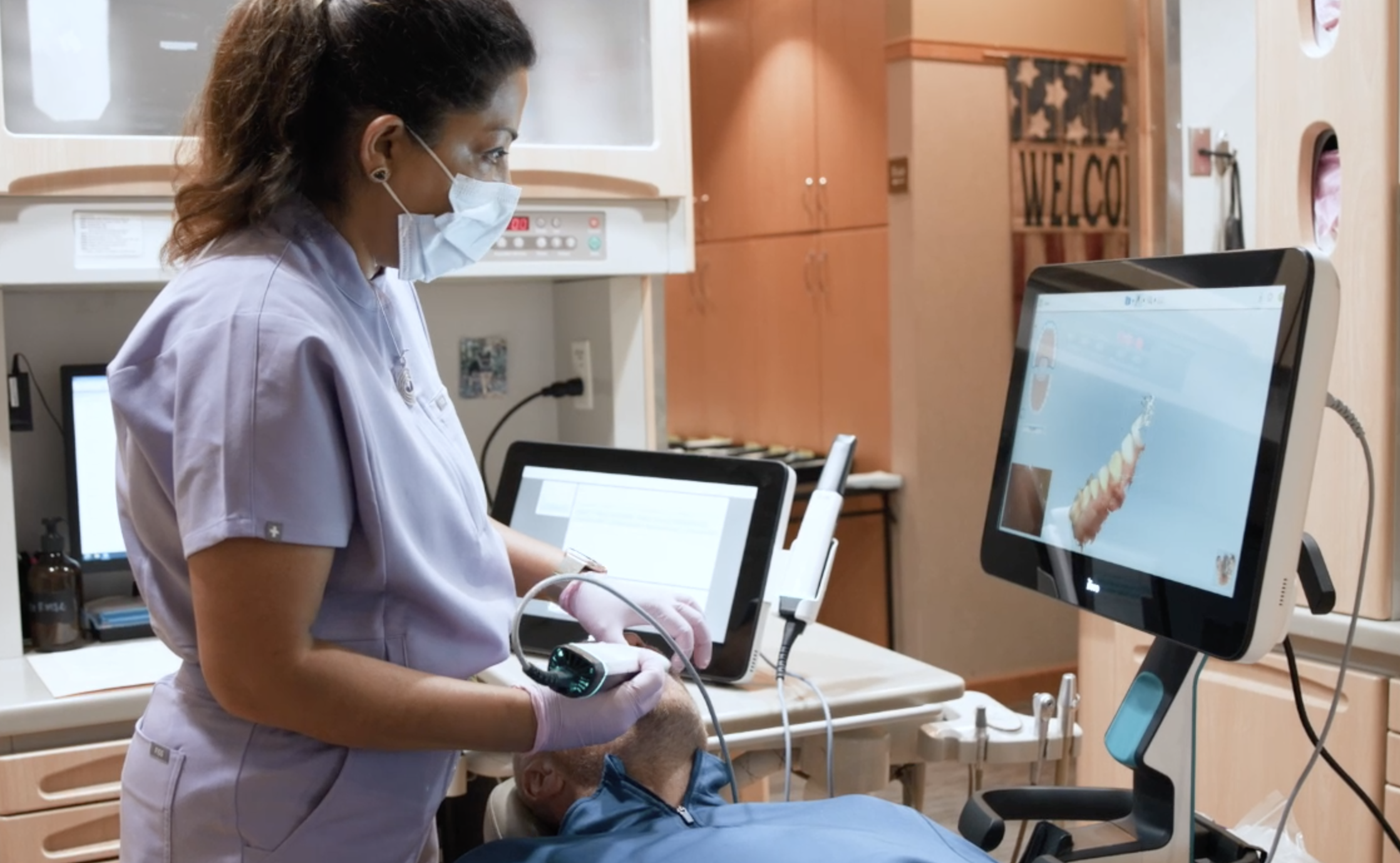
Your first visit begins with a comprehensive evaluation. Dr. Pai reviews your dental and medical history, takes 3D imaging to assess bone density, gum health, and the anatomy of the implant site, and evaluates how the implant will fit within your full smile composition. She discusses your goals, presents your options, and — if implants are the right fit — develops a detailed treatment plan including timeline, costs, and any preparatory steps such as bone grafting. No part of this plan is rushed.
-
2. Preparatory Treatment (If Needed)
Some patients require preparatory work before implant placement. This may include treatment for active gum disease, a tooth extraction, or a bone graft to build the volume needed to support the implant post. Dr. Pai coordinates all preparatory care and ensures your gum and bone environment is fully optimized before the surgical stage begins. This is not a detour — it is the foundation of a successful long-term result.
-
3. Implant Post Placement
The titanium implant post is surgically placed into the jawbone by a specialist oral surgeon, under local anesthesia. The procedure itself is typically completed in under an hour. Most patients are surprised by how manageable the experience is — discomfort is well-controlled during the procedure, and post-operative soreness is usually mild and resolves within a few days. A temporary restoration may be placed at this stage to maintain aesthetics and function during healing.
-
4. Osseointegration — The Healing Period
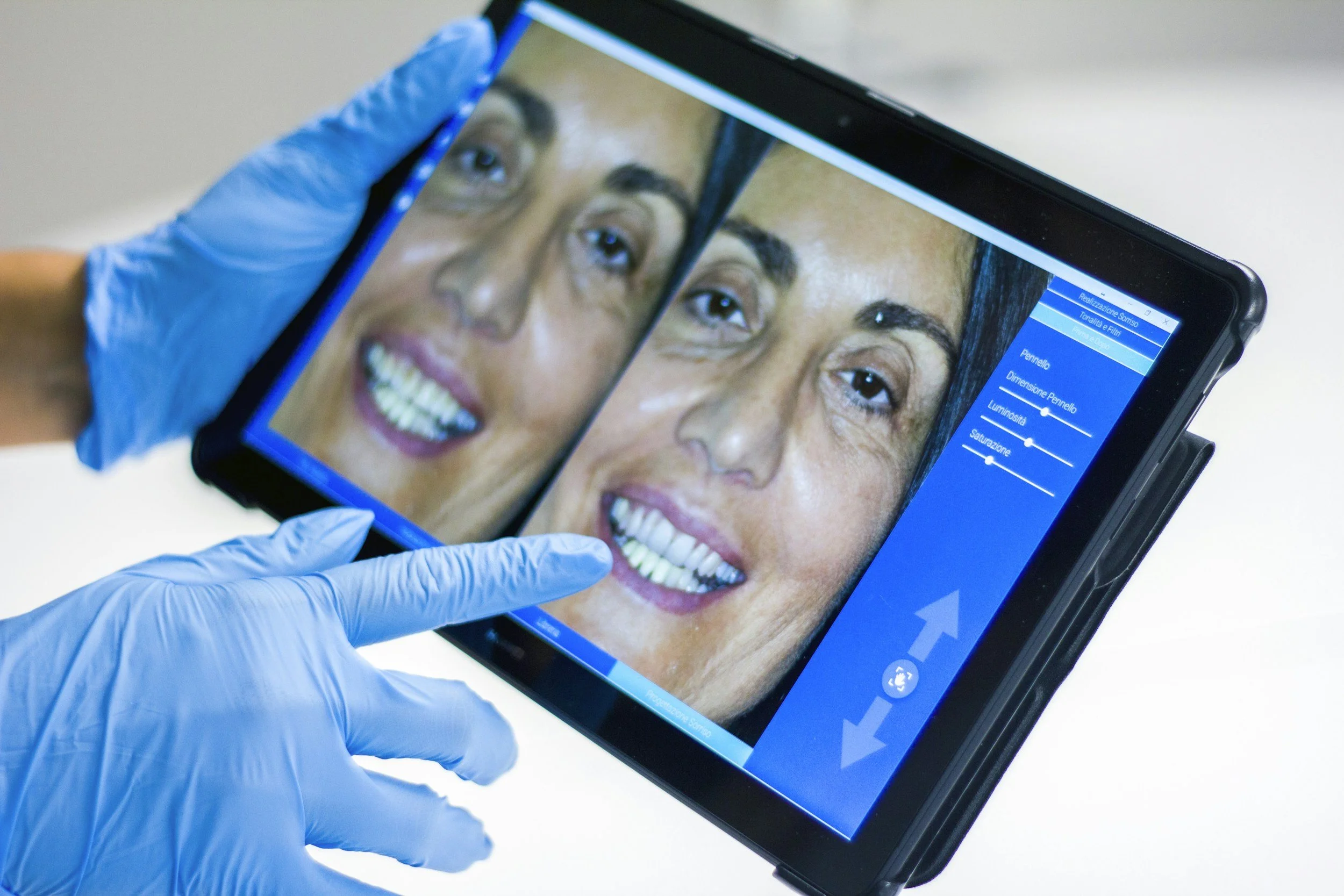
Over the following three to six months, the titanium post fuses with the surrounding bone — a process called osseointegration. This is what makes the implant permanent and stable. There is no active treatment during this phase, but Dr. Pai monitors your healing at scheduled check-ins to ensure everything is progressing as expected. Patience here is what makes the final result last a lifetime.
-
5. Abutment Placement
Once osseointegration is confirmed, a small connector piece called an abutment is attached to the top of the implant post. This serves as the anchor point for your final crown. In many cases, this is a simple in-office procedure that requires no anesthesia.
-
6. Crown Design and Fabrication
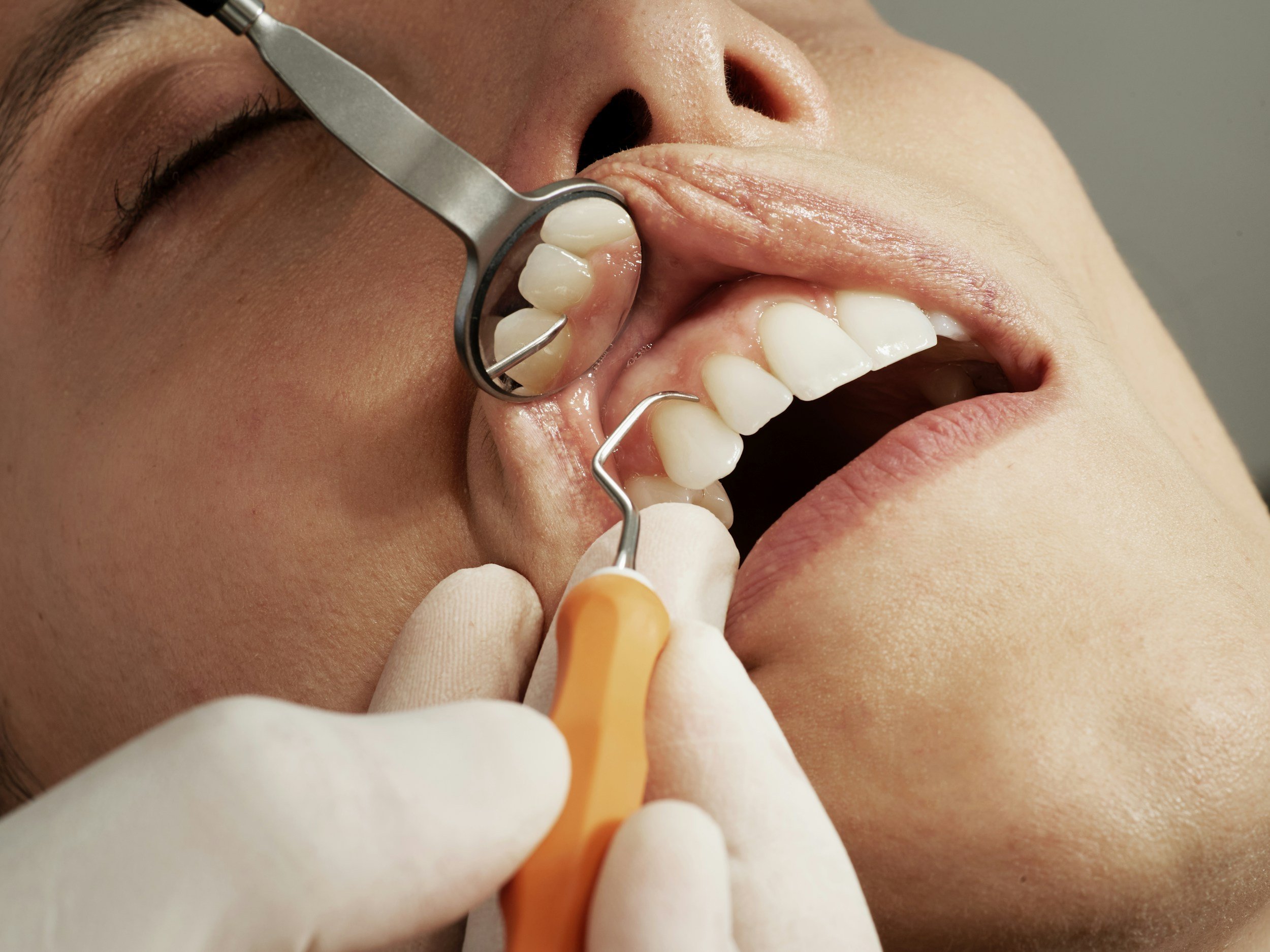
This is where Dr. Pai's cosmetic expertise becomes the defining factor in your result. Detailed measurements and shade matching are taken to design a crown that blends seamlessly with your surrounding teeth. Dr. Pai selects premium-grade porcelain for its superior translucency and light-handling properties, and works with her master ceramist to fabricate a crown that does not merely match — it disappears naturally into your smile. Fabrication typically takes two to three weeks.
-
7. Final Crown Placement
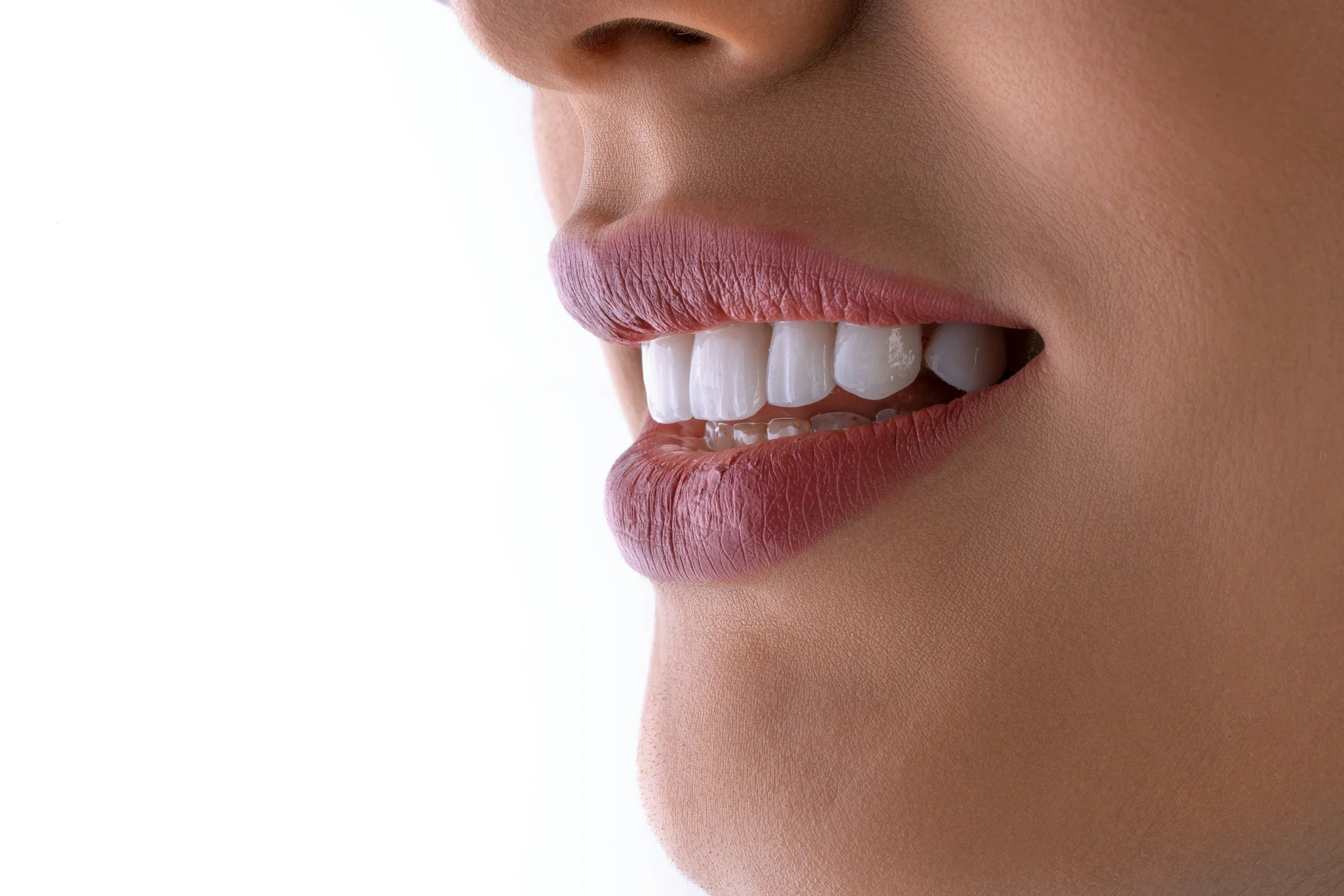
The finished crown is attached to the abutment and refined for a perfect fit and bite. Dr. Pai checks the aesthetics from every angle — the way it looks at rest, in your full smile, and under different lighting conditions — before considering the case complete. The result is a restoration that functions flawlessly and looks entirely natural. Most patients describe this final appointment as one of the most satisfying moments of their dental experience.
-

8. Follow-Up and Long-Term Care
A follow-up appointment is scheduled after placement to confirm everything is settling and functioning correctly. Dr. Pai provides personalized maintenance guidance and remains available for any questions or concerns going forward. Implants, like natural teeth, benefit from regular professional cleanings and check-ups — and Dr. Pai's team is here for the long term.
Dr. Pai’s Cosmetic Approach
Most dental implant providers focus on the restorative side of the procedure: placing the post correctly, allowing the bone to heal, and attaching a crown that fits. That is the clinical baseline, and it matters enormously. But it is only half the equation.
The other half is cosmetic, and this is where Dr. Pai's 25 years of experience in smile design makes a profound difference.
A crown that is technically correct but aesthetically mismatched is immediately noticeable. The wrong shade, the wrong translucency, the wrong proportion — and the implant announces itself rather than disappearing into your smile. Dr. Pai approaches every implant crown the same way she approaches every veneer: with a careful study of your surrounding teeth, your overall smile composition, your facial structure, and the light-handling properties of the porcelain she selects.
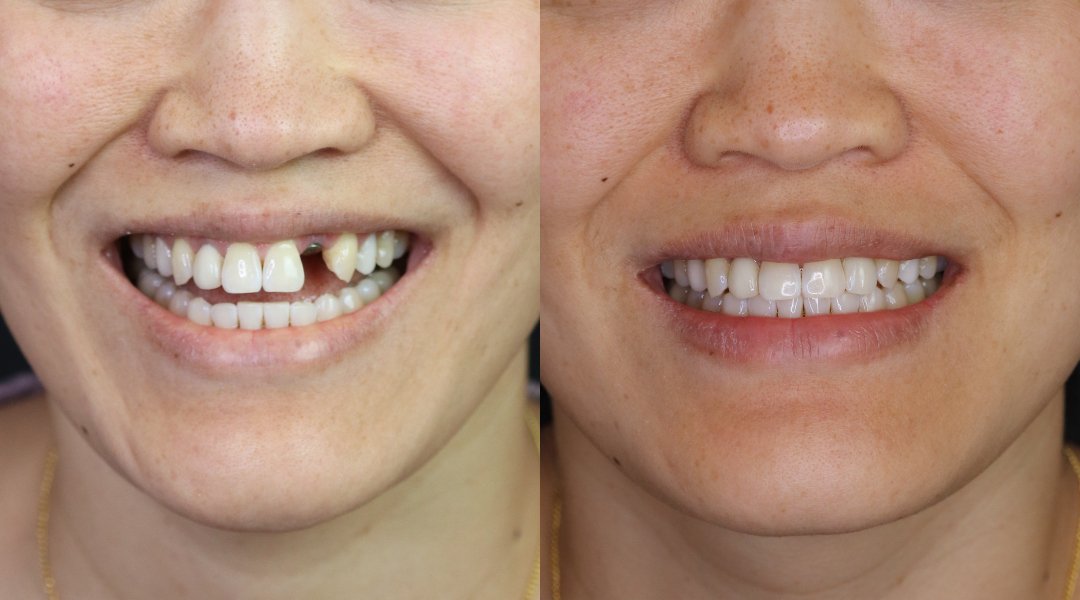
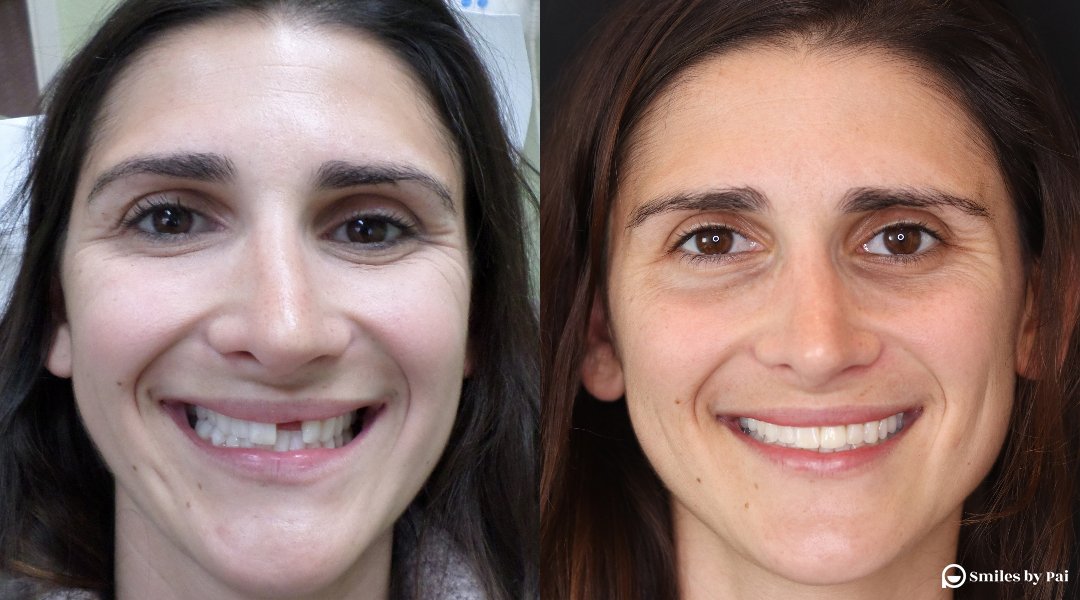
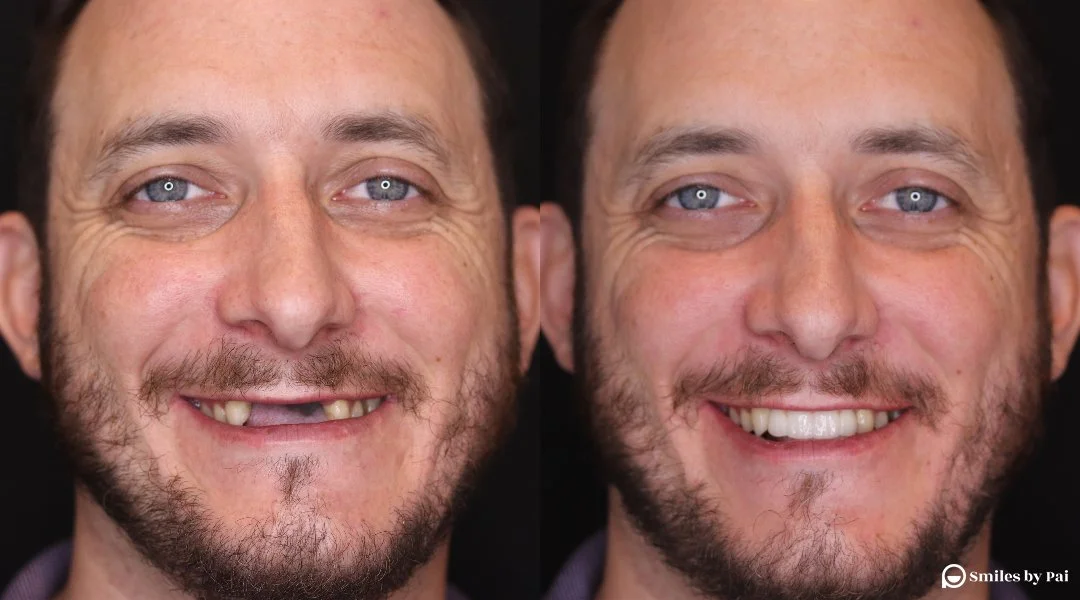
The result is an implant crown that not only functions like a natural tooth, but also looks like one. Patients who receive their implant crown from Dr. Pai consistently say the same thing: no one can tell which tooth it is.
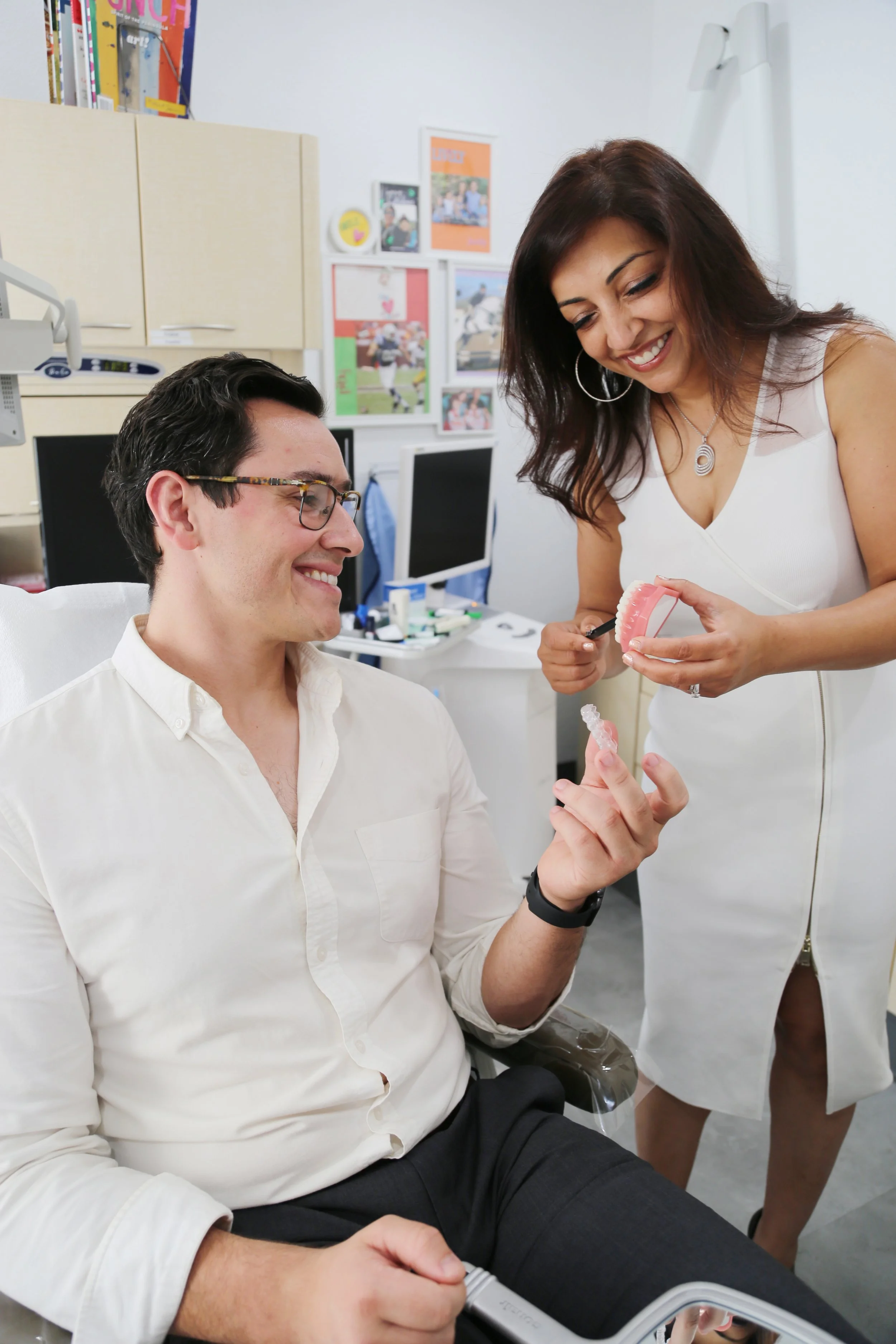
“I am an artist first, a dentist second. A tooth is never just a tooth. It is part of a face, a smile, a life.”
Are You a Candidate for Dental Implants?
Most healthy adults with one or more missing teeth are good candidates for dental implants. The key requirements are healthy gums, sufficient jawbone density to support the implant post, and a commitment to the maintenance routine that protects the investment long-term.
You may be an ideal candidate if you:
Are missing one or more teeth due to decay, injury, gum disease, or a failed restoration
Have healthy gums free of active periodontal disease
Have adequate bone density in the jaw — or are willing to undergo a bone graft if needed
Do not smoke, or are willing to stop during the healing period
Are looking for a permanent alternative to bridges, dentures, or partials
Want a tooth replacement that looks completely natural within your full smile
Why a Missing Tooth is More Than a Cosmetic Problem
Dr. Pai is a long-term thinker. She does not treat what is in front of her without considering what it means for the rest of her patient's oral health over the coming years and decades. A missing tooth, left untreated, sets off a cascade of consequences that most patients are not aware of. Understanding them is part of the reason her implant consultations take the time they do.
Bone Loss
The jawbone requires stimulation from tooth roots to maintain its density. When a tooth is lost and not replaced, the bone beneath it begins to resorb, essentially shrinking, within the first year. Over time, this changes the shape of the jaw, affects the fit of surrounding teeth, and can alter facial contours in ways that visibly age the face. A dental implant is the only tooth replacement option that replicates the root and preserves the bone beneath it.
Shifting Teeth
Adjacent and opposing teeth naturally drift toward any gap in the arch. Over time, this shifting disrupts the bite, creates new spaces between teeth, and places uneven pressure on other teeth — accelerating wear and increasing the risk of fracture. What starts as a single missing tooth can, without intervention, become a much more complex restorative problem over the years.
Bite Imbalance and Jaw Stress
A missing tooth changes how the upper and lower teeth meet. Patients often begin compensating unconsciously, such as chewing on one side, avoiding certain foods, or shifting their jaw position. These compensations create uneven pressure patterns that can lead to muscle fatigue, jaw joint issues, and accelerated wear on remaining teeth. Dr. Pai evaluates the full bite picture at every implant consultation, not just the site of the missing tooth.
The Confidence Impact
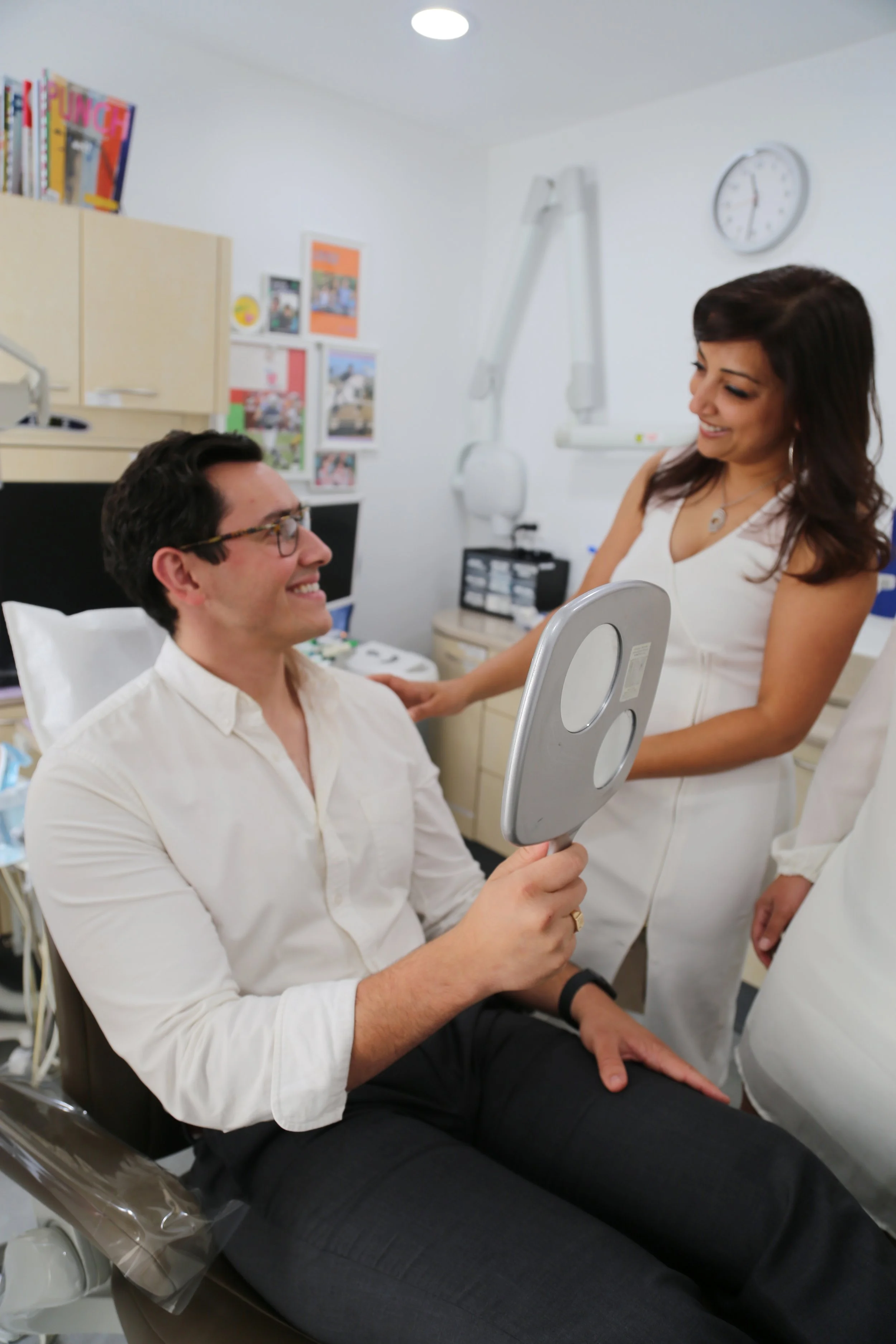
The practical consequences matter enormously, but so does the emotional one. A missing tooth, especially in the visible smile zone, affects how people present themselves, how freely they laugh, and how they feel in professional and social settings. Dr. Pai has seen this transformation up close for 25 years. The moment a patient sees a natural-looking, perfectly matched crown in the mirror for the first time is one of the most rewarding moments in cosmetic dentistry.
Dental Implants vs Bridges vs Dentures: What Is the Right Choice?
When a tooth is missing, patients have three primary replacement options. Dr. Pai will always recommend the one that is genuinely best for your situation, your health, and your long-term goals.
Here is an honest comparison:
| Dental Implant | Dental Bridge | Denture / Partial | |
|---|---|---|---|
| Permanence | Permanent — lifetime post with long-lasting crown | Permanent but eventually needs replacement | Removable — not permanent |
| Bone preservation | Yes — stimulates the jawbone like a natural root | No — bone loss continues beneath the gap | No — accelerates bone loss over time |
| Adjacent teeth | Not affected — implant is fully independent | Requires grinding down healthy adjacent teeth | May affect adjacent teeth over time |
| Feel and function | Closest to a natural tooth of any option | Good, but supported by adjacent teeth | Can shift — less comfortable and stable |
| Aesthetics | Exceptional when designed by a cosmetic dentist | Good, but visible at the gumline over time | Variable — may look less natural |
| Lifespan | Post: lifetime. Crown: 20+ years with care | 10 to 15 years typically | 5 to 10 years before adjustment or replacement |
| Cost | Higher upfront — lower long-term cost | Lower upfront — higher long-term cost | Lowest upfront — ongoing adjustment costs |
For most patients, dental implants are the superior long-term investment — not just aesthetically, but clinically. Dr. Pai will always be transparent about which option is right for your specific situation.
Why Dental Implants Are the Gold Standard for Tooth Replacement
Preserve the Jawbone
The only replacement option that stimulates the bone beneath it, preventing the resorption that changes facial structure over time.
Protect Adjacent Teeth
Unlike bridges, implants require no alteration of neighboring teeth. Each tooth remains independent and intact.
Permanent and Stable
No slipping, no adhesive, no removal. An implant functions exactly like a natural tooth in every situation, every day.
Natural Appearance
When designed by an experienced cosmetic dentist, a porcelain implant crown is indistinguishable from a natural tooth.
Long-lasting investment
With proper care, the implant post can last a lifetime. The crown typically lasts 20 or more years, significantly outlasting bridges and dentures.
Better Oral Hygiene
Implants are cleaned exactly like natural teeth, brushing and flossing without any special tools or techniques required.
Why Bay Area Patients Choose Dr. Nidhi Pai for Their Dental Implants
Dental implants are a significant financial, emotional, and long-term oral health investment. The quality of the crown design and placement matters as much as the quality of the surgical work, and this is where choosing an experienced cosmetic dentist to lead your case makes an enormous difference.
25 Years of Smile Design Experience
Dr. Pai has spent 25 years studying what makes a smile look natural, balanced, and beautiful — within the context of a specific person's face. That accumulated expertise is applied to every implant crown she designs. The difference between a crown that looks right and one that looks placed is subtle but immediately perceptible. Dr. Pai's patients consistently report that their crown is undetectable — and that is the highest possible standard.
A Holistic Treatment Perspective
Dr. Pai never treats a missing tooth in isolation. She evaluates the bite, surrounding teeth, bone structure, and the patient's overall oral health trajectory before making any recommendations. For patients who grind or have bite imbalances, she addresses those factors as part of the implant plan, because a crown placed in an unstable bite environment will not last. This level of thinking is what separates a good result from a great one.
A Trusted Specialist Network
The surgical stage of implant placement requires an oral surgery specialist, and Dr. Pai works with a carefully selected network of Palo Alto and Bay Area surgeons whose clinical standards match her own. You receive the benefit of specialized surgical expertise for the placement stage and Dr. Pai's cosmetic artistry for the restoration stage, the best of both disciplines, fully coordinated under her care.
Master Ceramist Partnership
The same ceramist partnership that makes Dr. Pai's veneers exceptional applies to every implant crown she places. Premium porcelain, hand-crafted to precise specifications, matched for shade and translucency to your surrounding teeth. The crown is fabricated to the same standard as a custom veneer — because it deserves nothing less.
Frequently Asked Questions About Dental Implants
-
The titanium implant post, once fully integrated with the jawbone, can last a lifetime with proper care. The porcelain crown typically lasts 20 or more years before it may eventually need replacement. Lasting significantly longer than a dental bridge, which averages 10 to 15 years. Patients who maintain excellent oral hygiene, attend regular cleanings, and wear a night guard when recommended consistently see results at the upper end of the lifespan range.
-
The placement procedure is performed under local anesthesia, so you will not feel pain during the surgery. Post-operative discomfort is typically mild to moderate and well-managed with over-the-counter pain relief. Most patients are surprised by how manageable the recovery is, and the majority return to normal activity within a day or two. Dr. Pai prepares every patient thoroughly for what to expect, so there are no surprises.
-
From initial consultation to final crown placement, the full process typically takes four to eight months, with most of that time being the osseointegration healing period. Complex cases requiring bone grafting may extend the timeline. Dr. Pai provides a realistic, personalized timeline at your consultation and she does not rush any stage of the process. The healing period is what makes the result permanent, and it is worth every day.
-
A single tooth implant, including the post, abutment, and crown, typically ranges from $4,000 to $6,500 in the Bay Area, depending on whether bone grafting is needed and the complexity of the case. While the upfront cost is higher than a bridge or denture, the long-term cost is often lower: implants require no replacement for decades and do not damage adjacent teeth the way bridges do. Dr. Pai provides a full, transparent, itemized quote at your consultation. Financing options are available.
-
Many dental insurance plans now provide partial coverage for implants, typically covering components such as the crown, the consultation, or the imaging. Coverage varies significantly by plan. Dr. Pai's team will work with you to understand your benefits and identify any applicable coverage before treatment begins. We are committed to making the process as transparent and manageable as possible.
-
Active gum disease must be fully treated before implant placement. This is one of the leading causes of implant failure if left unaddressed. This is not a barrier to ultimately getting an implant; it is the correct sequence. Dr. Pai will assess your gum health at your consultation and coordinate any necessary periodontal treatment before proceeding. Patients who take this step consistently have better long-term implant outcomes.
-
A bridge replaces a missing tooth by anchoring an artificial tooth to the two adjacent teeth on either side, which requires those healthy teeth to be ground down to serve as anchors. A bridge also does not replace the root, so bone loss beneath the gap continues over time. An implant replaces both the root and the crown independently, requires no alteration of adjacent teeth, preserves the jawbone, and lasts significantly longer. For most patients who are candidates, an implant is the clinically and cosmetically superior choice.
-
In certain specific cases, particularly straightforward single-tooth replacements with sufficient bone density, immediate implant placement and a temporary crown on the same day is possible. This is assessed case by case. Dr. Pai will discuss whether you are a candidate for an accelerated timeline at your consultation. For most patients, the standard staged approach produces the most predictable and durable result.
Ready to restore your smile?
Schedule a consultation with Dr. Pai and take the first step toward a permanent, natural-looking result.