Professional Teeth Whitening in the San Francisco Bay Area
Serving the San Francisco Bay Area · Palo Alto · Menlo Park · Mountain View · Los Altos · Cupertino · Sunnyvale · San Jose · and all of Silicon Valley
A brighter smile is one of the most immediate and satisfying improvements in cosmetic dentistry. At Smiles by Pai, Dr. Nidhi Pai offers professional-grade whitening that delivers genuinely dramatic results in a single visit. But she also believes in being honest with her patients about what whitening can and cannot do, because the right treatment is always better than the fastest one.
What is professional teeth whitening?
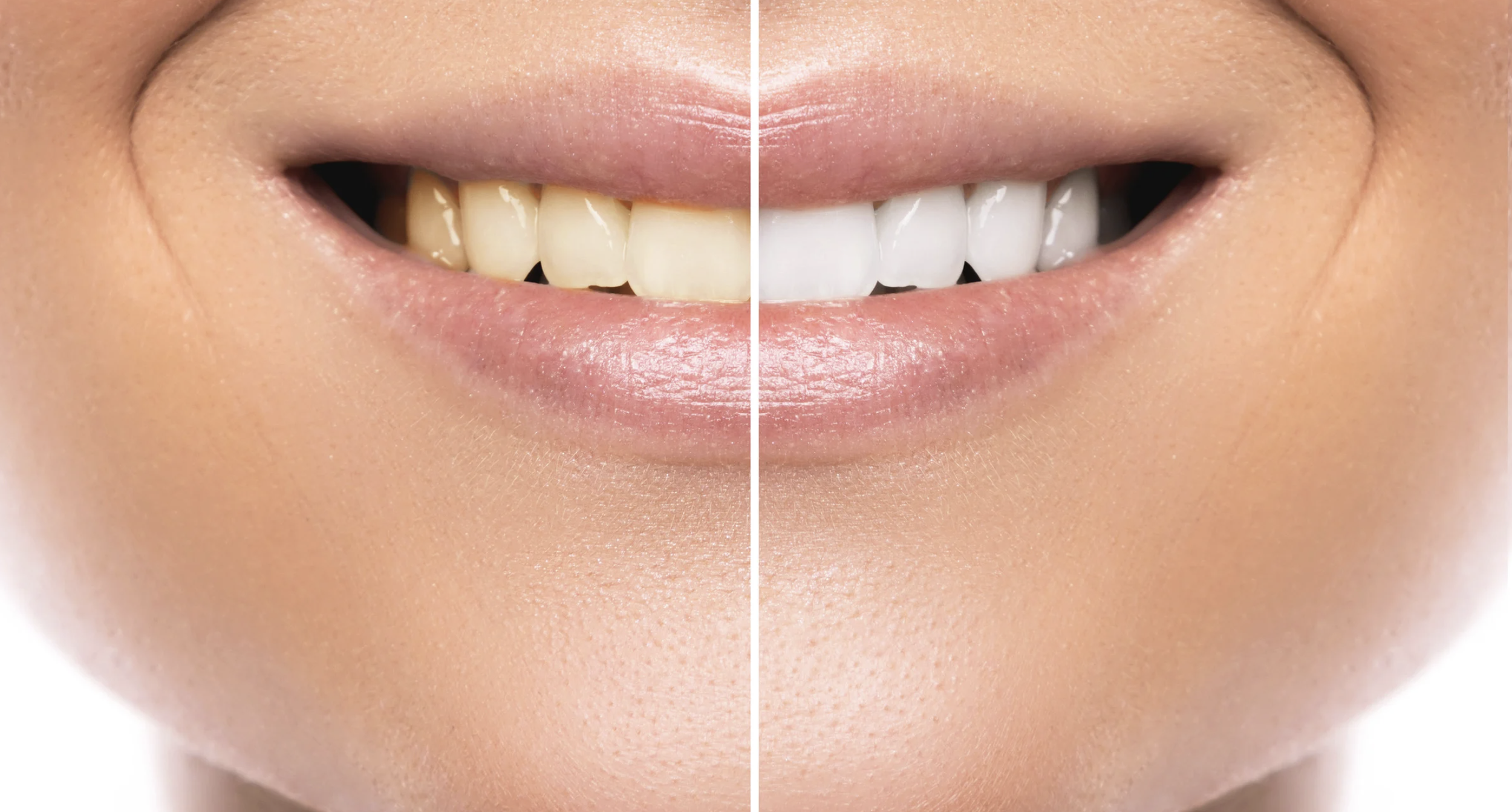
Professional teeth whitening uses clinically formulated bleaching agents, applied by a trained dentist using custom-fitted trays or an in-office light-activation system, to break down and remove staining compounds that have built up in and on the tooth enamel over time.
The chemistry is straightforward: hydrogen peroxide or carbamide peroxide penetrates the enamel and oxidizes the pigment molecules responsible for discoloration, lifting them without damaging the tooth structure when used correctly and at appropriate concentrations.
What separates professional whitening from over-the-counter options is the combination of concentration, precision, and clinical oversight. Dr. Pai evaluates your teeth before recommending any whitening treatment. The right protocol depends on the type of staining, the condition of your enamel, and whether whitening is genuinely the best path forward for your specific situation.
What to Expect
-
1. Consultation and Shade Assessment
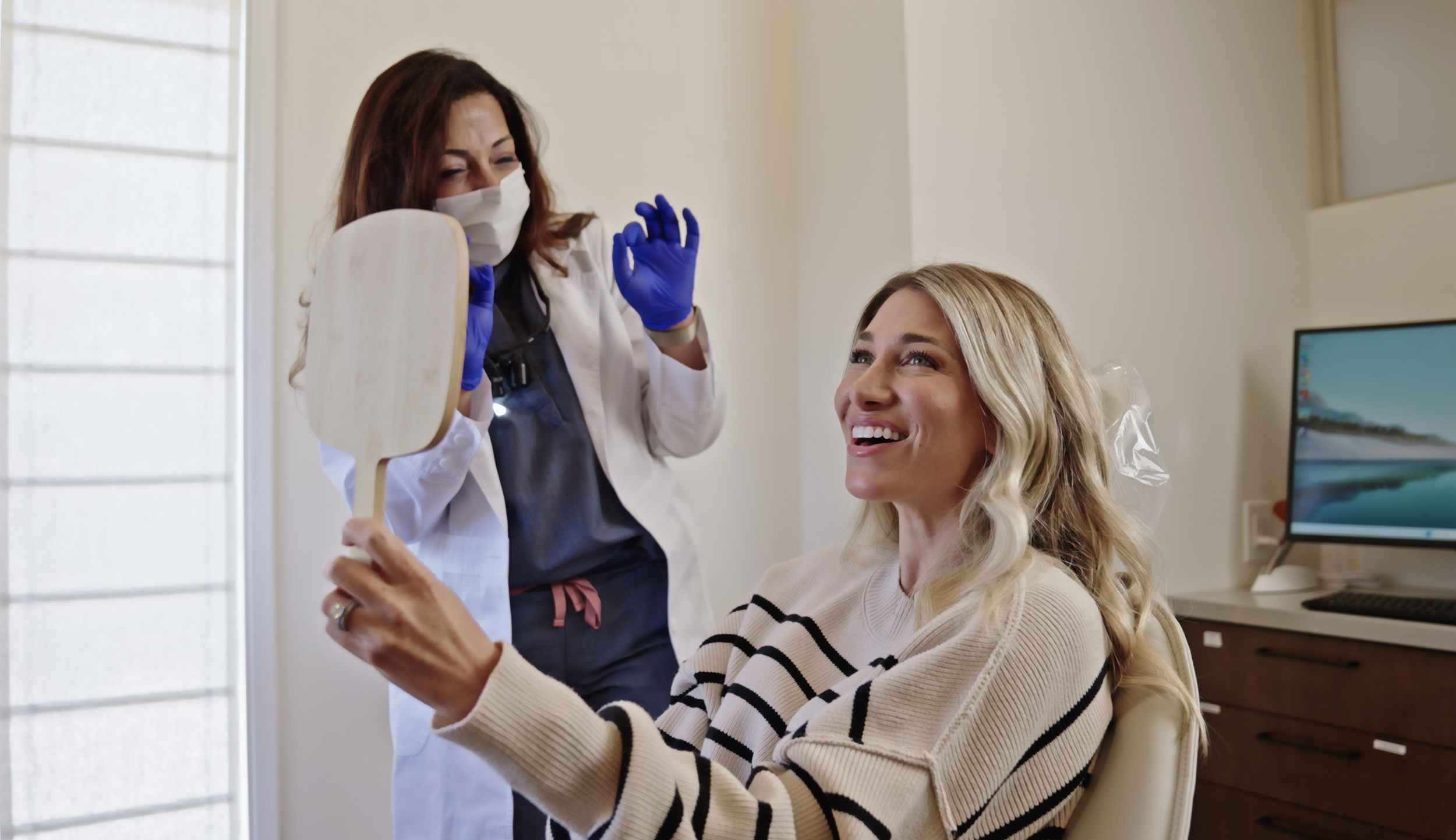
Before any whitening is recommended, Dr. Pai evaluates the health of your teeth and gums, identifies the type and cause of your staining, and determines whether whitening is genuinely the right approach for your goals. If your teeth have sensitivity, enamel erosion, existing restorations, or intrinsic staining, she will discuss this honestly and suggest the most appropriate path forward.
-
2. Preparatory Treatment (If Needed)
Dr. Pai selects the right whitening protocol (in-office, take-home, or a combination) based on your starting shade, the type of staining, your sensitivity history, and your desired outcome. She sets realistic expectations: you will know what result is achievable before you commit to anything.
-
3. Pre-Treatment Sensitivity Care
For patients undergoing in-office whitening, a desensitizing protocol is applied before treatment begins to minimize the temporary sensitivity that can occur with professional-strength formulas. Gum tissue is protected with a carefully applied barrier throughout the procedure.
-
4. Whitening Treatment
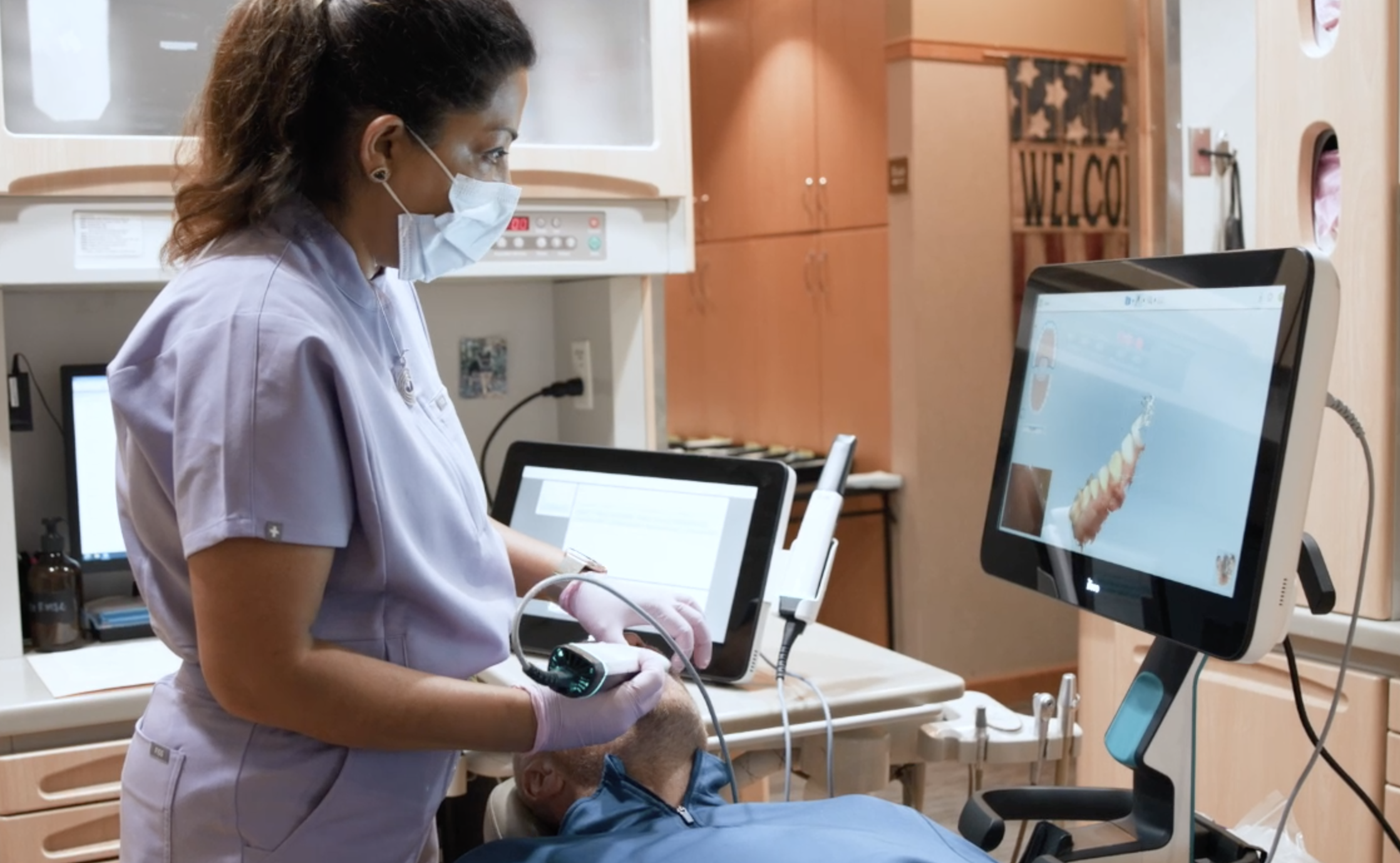
For in-office whitening, the professional-grade gel is applied and activated. The appointment typically takes 60 to 90 minutes. For take-home patients, custom trays are fabricated from a precise scan of your teeth and provided with professional-strength gel and clear instructions for use at home.
-
5. Post-Treatment Care and Maintenance
After in-office treatment, a fluoride application helps remineralize the enamel and further reduce sensitivity. Dr. Pai provides personalized maintenance guidance: which foods and drinks to avoid in the first 24 to 48 hours, the right toothpaste to use going forward, and how to protect and prolong your result. She will also advise on whether a gentle toothpaste like Crest Pro-Health or a basic fluoride formula is appropriate for your specific situation, and why abrasive whitening toothpastes are not the answer for long-term maintenance.
What you need to know about teeth whitening
Most whitening pages will tell you that teeth whitening is safe, effective, and life-changing. Dr. Pai believes all three of those things when it is done correctly. But she also thinks patients deserve a more complete picture than the one marketing usually provides.
As a cosmetic dentist who has spent 25 years watching trends come and go, Dr. Pai has some firm views on whitening informed by clinical experience, not brand loyalty.
This is not a reason to avoid whitening but a reason to do it thoughtfully, with a clinician who understands both what it can achieve and where its limits are. Professional whitening, done correctly, is one of the safest and most impactful things you can do for your smile. What Dr. Pai pushes back on is the cultural pressure to chase an unnaturally white result that may require increasingly aggressive means to maintain.
When you come to Smiles by Pai for whitening, you get an honest assessment before anything is recommended. If whitening is the right choice, you will know exactly what to expect and why. If something else would serve you better, whether that is a different protocol, a maintenance approach, or a conversation about veneers, she will tell you that too.
“My concern is when the desire for whiter teeth pushes patients toward repeated whitening, abrasive routines, or aggressive tooth preparation on otherwise healthy teeth. That can increase sensitivity, weaken enamel over time, and shift the focus away from true oral health toward an artificial aesthetic benchmark.”
Dr Pai’s Views on Teeth Whitening Trends
On Charcoal, Hydrogen Peroxide, and TikTok Teeth Whitening Hacks
Social media has made amateur whitening tips more visible and more persuasive than ever. As a clinician who has watched these trends evolve over 25 years, Dr. Pai feels strongly about setting the record straight.
Charcoal Toothpaste
Activated charcoal is heavily abrasive. While it can remove some surface staining, it does so by physically sanding the enamel surface, the same protective outer layer that cannot regenerate once it is gone. The short-term brightening effect is real. The long-term consequence is thinner, more vulnerable enamel that stains more easily, becomes more sensitive, and is more prone to damage. Dr. Pai advises strongly against regular charcoal toothpaste use.
Straight Hydrogen Peroxide and Baking Soda
These are genuinely harmful at the concentrations and frequencies promoted online. Undiluted hydrogen peroxide applied directly to the teeth and gums causes tissue irritation, chemical burns, and, with repeated use, enamel erosion. Baking soda is similarly abrasive. The combination, used as a DIY whitening hack, can cause real and lasting damage to the enamel and gum tissue, damage that is far harder to fix than the original staining.
The Bigger Picture
Dr. Pai's concern is not any single product or trend in isolation. It is the cultural shift that has made white teeth feel like a necessity rather than a cosmetic preference, and the pressure that creates for people to chase results through increasingly aggressive means. As she has observed: social media filters and celebrity content blur the line between natural enamel and porcelain restorations. Young people are scrubbing and bleaching aggressively trying to replicate a smile that is, in many cases, a set of veneers or crowns.
The most protective thing any patient can do is get a professional assessment of their teeth before starting any whitening regimen — and trust a clinician who will tell them what will actually work rather than what they want to hear.
Why Professional Whitening at Smiles by Pai
Dramatically Brighter
Professional-grade formulas deliver results that OTC products simply cannot match several shades in a single appointment.
Even and Consistent
Custom-fitted trays ensure the whitening agent contacts every tooth surface uniformly. No patchy or uneven results.
Safe and Supervised
Dr. Pai evaluates your teeth before recommending any whitening protocol. Gum tissue is protected throughout, and sensitivity is actively managed.
Fast
In-office whitening delivers visible results in a single appointment of 60 to 90 minutes. No weeks of daily strip applications required.
Honest
Dr. Pai will not recommend whitening if it is not the right solution for your staining. You leave with a clear understanding of what your result will be before treatment begins.
Long-lasting
Results from professional whitening typically last one to three years. Take-home trays make touch-ups simple and affordable when needed.
Whitening as Part of Your Smile Journey
For many patients, professional whitening is the first step. A low-commitment, high-impact introduction to what cosmetic dentistry can do. For others, it is the finishing touch on a broader transformation. And for patients considering veneers, whitening plays an important sequencing role.
Whitening Before Veneers
When veneers are part of the plan, Dr. Pai typically whitens the natural teeth first to establish the patient's ideal shade. Porcelain veneers are then fabricated to match that brightness precisely — ensuring everything in the smile zone is consistent and cohesive. This sequence produces a more natural-looking, seamlessly matched result and is standard practice in Dr. Pai's approach to comprehensive smile makeovers.
An Important Note on Existing Restorations
If you already have veneers, crowns, bonding, or tooth-colored fillings visible when you smile, whitening your natural teeth may create a visible mismatch between the restored and unrestored teeth. Dr. Pai will assess this at your consultation and advise on the best approach — which may include touch-up bonding, new restorations matched to your whitened shade, or a modified whitening plan that accounts for your existing work.
How to Make Your Results Last
Professional whitening results typically last one to three years, depending on diet, lifestyle, and how well you protect the enamel going forward. The habits that caused the original staining will cause it again — but with the right maintenance routine, it is easy to preserve your result far longer than most patients expect.
Avoid staining foods and drinks like coffee, tea, red wine, dark berries, tomato-based sauces, for the first 48 hours after treatment while the enamel is temporarily more porous
Rinse with water promptly after consuming staining foods and drinks
Brush twice daily with a soft-bristled toothbrush and a gentle, non-abrasive fluoride toothpaste. Avoid whitening toothpastes that rely on abrasion, as they remove surface stain at the cost of enamel over time
Do not use charcoal toothpaste or DIY whitening hacks for maintenance. The short-term brightening is not worth the long-term enamel damage
Attend regular professional cleanings. Removing tartar and surface buildup keeps the smile bright and healthy
Use your take-home trays for occasional touch-ups. Dr. Pai provides additional gel when needed
Frequently Asked Questions About Teeth Whitening
-
This depends on your starting shade and the type of staining you have. Most patients achieve four to eight shades of improvement with professional in-office whitening. Extrinsic staining from food, drink, and tobacco responds very well. Intrinsic staining from medications, fluorosis, or trauma responds poorly or not at all. Dr. Pai will give you a realistic estimate at your consultation based on an actual assessment of your teeth, not a promise designed to get you through the door.
-
Yes, when performed by a qualified dental professional using appropriate concentrations and protocols. Dr. Pai evaluates every patient's enamel health, sensitivity history, and existing restorations before recommending any whitening treatment. The risks associated with professional whitening, primarily temporary sensitivity, are well-managed and short-lived. The risks associated with unsupervised, repeated OTC use or DIY hacks are far more significant and can cause lasting enamel damage.
-
Professional whitening results typically last one to three years. Diet and lifestyle habits are the main factors: regular coffee, tea, red wine, and tobacco will reduce longevity. Patients who maintain good oral hygiene, attend regular cleanings, and use their take-home trays for occasional touch-ups consistently see results at the upper end of that range. Touch-up treatments are quick, easy, and significantly more affordable than the original treatment.
-
Some patients experience temporary sensitivity after whitening, a mild, fleeting discomfort when the teeth are exposed to hot, cold, or sweet stimuli. This typically resolves within 24 to 48 hours. Dr. Pai uses desensitizing protocols before and after in-office treatment to minimize this. Patients with pre-existing sensitivity or thin enamel are identified at the consultation stage, and a modified protocol or take-home approach may be recommended to reduce the risk further.
-
Whitening agents do not affect porcelain, ceramic, or composite restorations . Those materials will not change color. If your restorations are in the visible smile zone, whitening your natural teeth may create a mismatch in shade. Dr. Pai will assess this at your consultation and advise on the right approach. In some cases, touch-up bonding or updated restorations can be matched to the newly whitened shade after treatment.
-
Before. Veneers are fabricated to match a specific shade. If you whiten your natural teeth first, Dr. Pai can design your veneers to match the brighter result for a seamless, cohesive smile. Whitening after veneers are placed will not affect the porcelain, and will only brighten the unprepared teeth — potentially creating a mismatch. If both are part of your plan, whitening always comes first.
-
No, not for regular use. Activated charcoal is highly abrasive and removes surface stain by physically wearing down the enamel surface. The short-term brightening effect is real. The long-term consequence is thinner enamel that stains more readily, becomes more sensitive, and is harder to treat. Dr. Pai strongly advises against charcoal toothpaste as a whitening or maintenance tool. A gentle fluoride toothpaste like Crest Pro-Health is a far better choice for daily brushing.
-
In-office professional whitening at Smiles by Pai is competitively priced for the San Francisco Bay Area market. Custom take-home whitening trays are also available separately. Please contact us or ask at your consultation for current pricing. We also run whitening specials periodically. Please check our Specials page for current offers.
-
It depends entirely on what is causing the yellowing. Extrinsic yellowing from years of coffee, tea, and dietary staining responds very well to professional whitening and can be dramatically improved. Intrinsic yellowing from enamel thinning, tetracycline staining, fluorosis, or trauma does not respond well to bleaching. Veneers are often the more appropriate and effective solution. Dr. Pai will assess the cause at your consultation and give you an honest answer. She will never recommend the more expensive option when a simpler one will genuinely work.
Ready for a brighter smile?
Schedule a consultation with Dr. Pai and find out what professional whitening can realistically achieve for you.